



rock wool wholesale
Product Specifications Are the Primary Pricing Driver
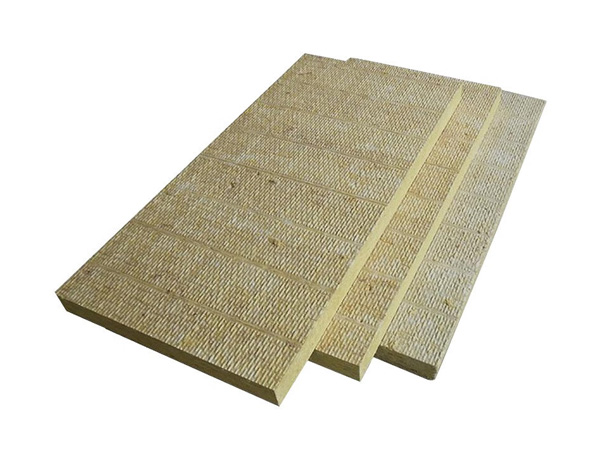
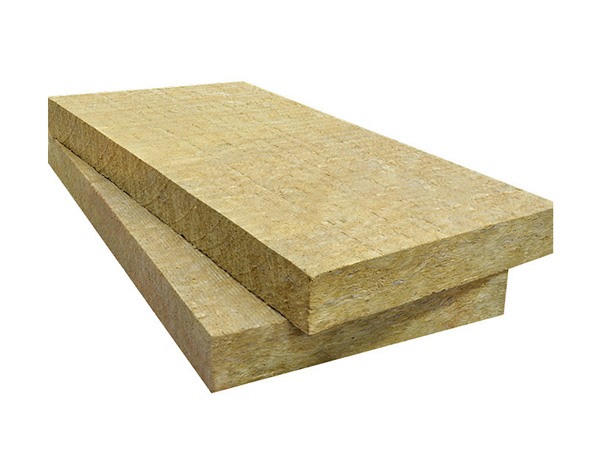
In the rock wool wholesale market, pricing is fundamentally determined by product specifications. Density, thickness, compressive strength, and application type all influence production costs. Higher-density rock wool requires more raw materials and longer processing time, which directly increases the unit price. For industrial buyers, understanding these variables is essential to avoid over-specifying materials and inflating project budgets unnecessarily.
Raw Material and Energy Costs Impact Price Volatility
Rock wool production depends heavily on basalt and slag, as well as high-temperature melting processes. This makes the industry sensitive to fluctuations in raw material availability and energy costs. When fuel or electricity prices rise, production costs follow. Experienced buyers monitor these trends to identify the best purchasing windows and negotiate more favorable contracts.
MOQ Policies Reflect Factory Production Efficiency
Minimum Order Quantity (MOQ) is not arbitrary—it is closely tied to how a factory operates. Production lines are optimized for continuous output, and smaller orders disrupt efficiency. As a result, most suppliers set MOQ thresholds to maintain cost-effective operations. Buyers who can consolidate orders or forecast demand accurately often gain access to better pricing tiers.
Customization Requirements Influence Minimum Orders
Customization—such as special dimensions, foil facings, or hydrophobic treatments—can significantly increase MOQ requirements. This is because factories must adjust production parameters or allocate separate runs. For projects requiring customized insulation, it is important to balance performance needs with realistic order volumes to avoid excessive costs.
Supplier Capability Determines Consistency and Reliability
Choosing the right supplier goes beyond price comparison. A qualified rock wool manufacturer should have advanced production lines, experienced technical teams, and in-house testing facilities. Consistency in density, fiber distribution, and mechanical strength is critical for large-scale applications. Buyers should prioritize suppliers with proven track records and transparent quality control processes.
Certifications Provide Assurance of Performance Standards
Certifications such as CE, ASTM, and ISO are key indicators of product reliability. These certifications confirm that the insulation meets internationally recognized standards for fire resistance, thermal conductivity, and durability. For projects in regulated markets, certified products are not just preferred—they are mandatory.
Logistics and Packaging Affect Total Procurement Cost
In global trade, logistics can account for a significant portion of total cost. Proper compression packaging reduces shipping volume, while durable wrapping prevents damage during transit. Buyers should evaluate not only the product price but also shipping efficiency and packaging quality to determine the true landed cost.
Bulk Purchasing Strategies Improve Cost Efficiency
Large-volume purchasing is one of the most effective ways to reduce costs in rock wool wholesale. Suppliers are more willing to offer discounts for bulk orders because it improves their production efficiency and reduces inventory turnover time. Strategic buyers often align procurement schedules with project timelines to maximize these advantages.
Long-Term Partnerships Lead to Better Commercial Terms
Establishing long-term relationships with suppliers can unlock benefits beyond pricing. These include priority production scheduling, flexible payment terms, and technical support. Over time, trusted partnerships reduce procurement risks and improve supply chain stability.
Market Trends Shape Pricing and Availability
Global demand for insulation materials continues to rise due to urbanization and stricter building codes. At the same time, supply chain disruptions and geopolitical factors can affect availability. Staying informed about market dynamics allows buyers to anticipate price movements and adjust procurement strategies accordingly.
Risk Management in International Sourcing
International sourcing introduces risks such as currency fluctuations, shipping delays, and regulatory changes. To mitigate these risks, buyers often diversify their supplier base and maintain safety stock. Working with experienced exporters who understand international logistics can also reduce uncertainty.
Technical Support Adds Hidden Value
Beyond the physical product, technical support from suppliers can significantly impact project success. Guidance on installation, product selection, and performance optimization adds value that is not always reflected in the initial price. Buyers should consider this support as part of the overall procurement decision.
Final Considerations for Professional Buyers
For professional buyers, rock wool wholesale is not just about securing the lowest price—it is about achieving the best overall value. This includes consistent quality, reliable delivery, compliance with standards, and long-term supplier stability. A strategic approach to procurement ensures that insulation materials perform as expected throughout the lifecycle of the project.
References
Christopher, M. Logistics & Supply Chain Management
Monczka, R. et al. Purchasing and Supply Chain Management
Papadopoulos, A.M. Thermal insulation materials and performance