



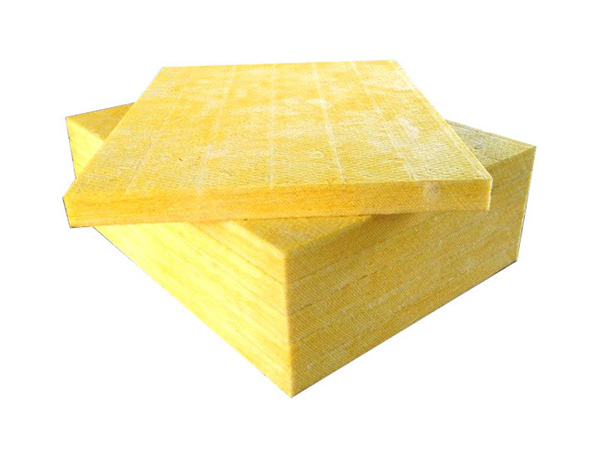
Glass Wool Air Conditioning Board for Duct Insulation
An air conditioning board made from glass wool insulation is widely used in HVAC duct systems to improve thermal efficiency, reduce energy loss, and enhance fire safety performance. Modern commercial buildings and industrial facilities increasingly rely on insulated duct systems to maintain stable indoor air conditions while minimizing operational costs.
Compared with traditional duct insulation materials, glass wool boards offer lightweight construction, stable thermal conductivity, and excellent acoustic absorption characteristics.
What Is an Air Conditioning Board
An air conditioning board is an insulation panel specifically designed for HVAC duct fabrication and thermal protection. These boards are commonly manufactured using glass wool fibers bonded with thermosetting resin to form rigid or semi-rigid insulation structures.
The material is engineered to reduce heat transfer between conditioned air and external environments while maintaining airflow efficiency within duct systems.
Glass Wool Structure and Insulation Performance
Glass wool consists of fine inorganic fibers arranged in a porous matrix structure. This structure traps air within the insulation layer, significantly reducing thermal conductivity.
A high-quality air conditioning board provides stable insulation performance across a wide temperature range, making it suitable for both cooling and heating systems.
Low thermal conductivity helps reduce energy consumption and improves HVAC operational efficiency.
Thermal Efficiency in HVAC Duct Systems
Thermal insulation plays a critical role in maintaining conditioned air temperature throughout duct networks. Without proper insulation, HVAC systems may experience substantial energy loss during air transportation.
An insulated air conditioning board helps:
Reduce heat gain and heat loss
Improve HVAC energy efficiency
Stabilize indoor temperature control
Lower operating costs
These advantages are especially important in large commercial buildings and industrial facilities.
Fire Resistance and Safety Advantages
Glass wool materials are non-combustible and demonstrate strong fire resistance characteristics. Many HVAC systems require insulation materials that comply with international fire safety standards.
A professional air conditioning board can help:
Delay flame spread
Reduce smoke generation
Improve building fire safety compliance
This makes glass wool insulation particularly suitable for public buildings, hospitals, airports, and industrial plants.
Acoustic Insulation Performance
In addition to thermal insulation, glass wool also provides excellent sound absorption properties. HVAC systems often generate airflow noise and vibration that may affect indoor comfort.
The porous structure of an air conditioning board helps absorb sound energy and reduce duct transmission noise, improving acoustic performance in office buildings and commercial spaces.
Moisture Resistance and Durability
Modern glass wool insulation boards are frequently coated with aluminum foil or vapor barrier materials to improve moisture resistance.
This protective layer helps prevent:
Condensation formation
Mold growth
Thermal degradation
Corrosion on duct surfaces
Long-term durability is essential for maintaining HVAC system efficiency.
Installation Standards and Engineering Practices
Proper installation directly affects insulation performance. HVAC engineers generally consider:
Board thickness
Joint sealing
Vapor barrier continuity
Mechanical fastening methods
Professional installation minimizes thermal bridging and air leakage within duct systems.
Applications in Commercial and Industrial Buildings
An air conditioning board is widely used in:
Commercial office buildings
Shopping centers
Hospitals
Data centers
Pharmaceutical facilities
Industrial HVAC systems
Its combination of thermal insulation, fire resistance, and acoustic control makes it a preferred solution for modern building engineering.
Conclusion
A high-performance air conditioning board made from glass wool insulation provides reliable thermal protection, fire resistance, and acoustic insulation for HVAC duct systems. With increasing focus on energy efficiency and building safety, glass wool insulation remains one of the most trusted materials in modern air conditioning engineering.
The long-term performance and safety advantages of an air conditioning board continue to support its widespread use in commercial and industrial applications.
References
ASHRAE Handbook – HVAC Systems and Equipment
Building and Environment Journal
Thermal Insulation Handbook for the Oil, Gas, and Petrochemical Industries
Energy and Buildings Journal