



hvac insulation
Thermal Performance Directly Impacts Energy Efficiency
In hvac insulation, thermal resistance is the most critical factor. Glass wool provides low thermal conductivity, reducing heat transfer in ducts and pipes. This directly lowers energy consumption, making HVAC systems more efficient.
Lightweight Structure Improves Installation Efficiency
Glass wool is significantly lighter than many alternative materials, which simplifies handling and installation. This reduces labor time and costs, particularly in large-scale projects.
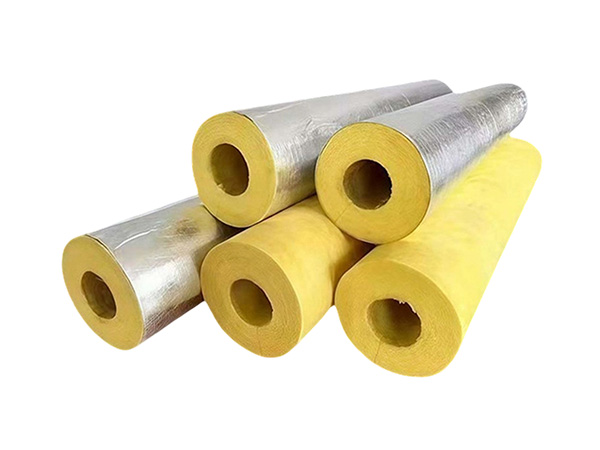
Flexibility Supports Complex System Design
HVAC systems often include complex duct layouts. Glass wool’s flexibility allows it to adapt to various shapes and configurations, ensuring complete coverage without gaps.
Acoustic Insulation Enhances Indoor Comfort
HVAC systems can generate significant noise during operation. Glass wool helps absorb this noise, improving indoor acoustic comfort in residential and commercial buildings.
Cost-Effectiveness Supports Large-Scale Projects
From a cost perspective, glass wool offers an excellent balance between performance and affordability. Its long service life further enhances its value by reducing maintenance and replacement costs.
Fire Safety is a Critical Advantage
Glass wool is non-combustible and does not contribute to fire spread. This makes it a reliable choice for HVAC systems in both residential and industrial environments.
Moisture Resistance Protects System Integrity
Properly treated glass wool resists moisture absorption, preventing issues such as mold growth and thermal degradation. This ensures long-term system reliability.
Compliance with International Standards
Glass wool products used in HVAC insulation are often tested according to global standards such as ASTM and ISO. This ensures consistent performance and safety.
References
ASHRAE Handbook – HVAC Systems and Equipment
Papadopoulos, A.M. Thermal insulation materials and performance