



insulation trends
Global Energy Policies Are Reshaping Insulation Demand
The evolution of insulation trends in 2026 is strongly influenced by stricter global energy regulations. Governments across Europe, North America, and parts of Asia are enforcing building codes that require higher thermal efficiency. This shift is not just regulatory—it reflects a broader push toward carbon neutrality. As a result, rock wool insulation has become a preferred material due to its ability to maintain thermal stability over long service lifespans. Industry professionals recognize that compliance is no longer optional; it is a baseline requirement driving purchasing decisions.
Sustainability Has Become a Core Procurement Metric
Sustainability is now central to insulation material selection. Rock wool is increasingly favored because it can be manufactured from abundant natural resources and recycled content. Additionally, its durability reduces the need for replacement, lowering lifecycle environmental impact. Advanced manufacturers are also implementing closed-loop production systems, reducing waste and emissions. These developments reinforce the credibility of rock wool as a long-term sustainable solution in construction and industrial sectors.
Fire Safety Regulations Are Driving Material Upgrades
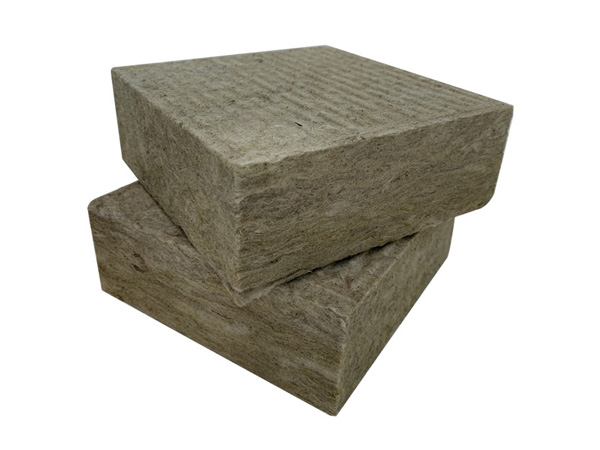
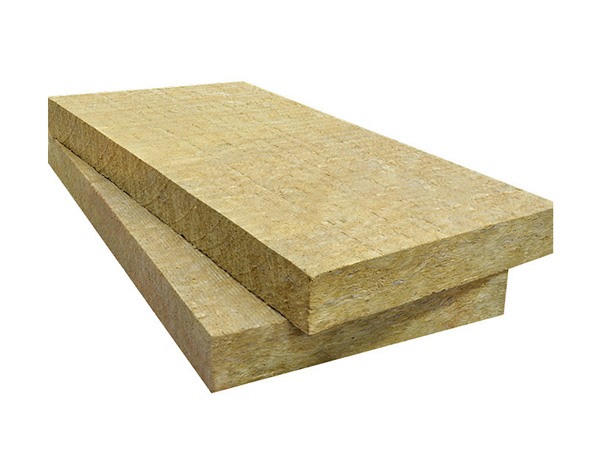
Fire safety remains one of the most critical factors influencing insulation trends. Rock wool’s non-combustible nature allows it to withstand extremely high temperatures without releasing toxic gases. In high-rise buildings and infrastructure projects, this characteristic is particularly valuable. Regulatory bodies are continuously tightening fire safety standards, which has accelerated the transition from traditional insulation materials to mineral wool solutions. For developers and engineers, this shift represents both a compliance requirement and a risk mitigation strategy.
Acoustic Performance Expands Functional Value
Modern buildings demand more than just thermal insulation. Acoustic performance has become a key consideration, especially in urban environments. Rock wool’s fibrous structure effectively absorbs sound waves, reducing noise transmission between spaces. This makes it ideal for offices, hospitals, and educational facilities. The integration of acoustic and thermal properties into a single material enhances its market appeal and supports multifunctional design strategies.
Industrial Applications Continue to Expand
Industrial sectors are contributing significantly to the growth of insulation trends. Facilities such as power plants, refineries, and manufacturing units require materials that can withstand high temperatures and harsh operating conditions. Rock wool meets these requirements while maintaining structural integrity over time. Engineers value its reliability, particularly in environments where insulation failure could lead to operational risks.
Technological Advancements Improve Manufacturing Precision
The adoption of digital manufacturing technologies is transforming how insulation materials are produced. Automated systems allow for precise control over fiber formation, density, and product dimensions. This level of consistency improves overall performance and reduces variability between batches. Manufacturers investing in smart production systems are gaining a competitive edge in both quality and efficiency.
Regional Market Growth Reflects Infrastructure Investment
Emerging economies are experiencing rapid infrastructure development, which is driving demand for insulation materials. Urbanization, combined with increased investment in commercial and residential construction, is fueling the adoption of rock wool. At the same time, developed markets are focusing on retrofitting existing buildings to improve energy efficiency. This dual demand pattern ensures steady global growth.
Future Outlook: Integration of Performance and Sustainability
Looking ahead, insulation trends will continue to prioritize materials that combine performance with environmental responsibility. Rock wool is well-positioned to meet these expectations due to its durability, safety, and recyclability. As innovation continues, the industry is likely to see further improvements in production efficiency and product performance.
References
Asdrubali, F. et al. A review of unconventional sustainable building insulation materials
Papadopoulos, A.M. State of the art in thermal insulation materials