



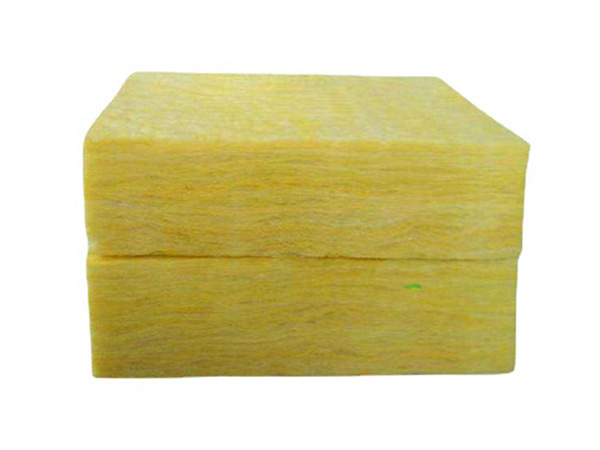
sound absorbing board
Acoustic Absorption Starts with Fiber Microstructure
A high-performance sound absorbing board relies on the microstructure of glass wool fibers. These fibers create a network of interconnected voids that trap sound waves and convert acoustic energy into heat. This mechanism is fundamental to noise reduction in enclosed environments. Engineers often evaluate absorption coefficients to determine the effectiveness of different materials.
Fiber Diameter and Distribution Influence Performance
The size and uniformity of fibers play a crucial role in acoustic efficiency. Finer fibers increase surface area, enhancing the interaction between sound waves and the material. Advanced manufacturing techniques ensure consistent fiber distribution, which leads to predictable acoustic performance across applications.
Density Optimization Balances Strength and Absorption
Density is a critical parameter in sound absorbing board design. Low-density materials may offer better absorption at certain frequencies, while higher density improves structural stability. Selecting the right density requires an understanding of the specific acoustic requirements of a space.
Frequency Range Determines Application Suitability
Different environments require absorption of different sound frequencies. For example, office spaces often require mid-frequency absorption, while industrial settings may need low-frequency noise control. Glass wool boards can be engineered to target specific frequency ranges, making them highly versatile.
Installation Techniques Affect Real-World Results
Even the best sound absorbing board can underperform if installed incorrectly. Proper spacing, mounting systems, and the use of air gaps can significantly enhance acoustic performance. Professionals often design installation layouts based on room geometry and intended use.
Fire Safety Enhances Material Value
Glass wool is inherently non-combustible, which adds an important layer of safety in public and industrial spaces. This characteristic makes it suitable for applications where both acoustic control and fire resistance are required.
Durability Ensures Long-Term Performance
Unlike some acoustic materials, glass wool maintains its structure over time. This durability ensures consistent performance without degradation, making it a reliable choice for long-term installations.
Integration with Architectural Design
Modern architecture increasingly incorporates acoustic materials into aesthetic design. Glass wool sound absorbing boards can be customized in shape, size, and finish, allowing designers to achieve both functional and visual goals.
References
Cox, T.J. & D’Antonio, P. Acoustic Absorbers and Diffusers
Allard, J.F. Propagation of Sound in Porous Media