



rock wool factory
Raw Material Selection Determines Final Performance
In a modern rock wool factory, production begins with strict raw material selection. Basalt rock, combined with recycled slag, forms the primary composition. The chemical stability of these inputs is critical, as it directly influences melting behavior and fiber consistency. Experienced manufacturers often implement spectrometric analysis to ensure composition uniformity, which supports long-term product reliability.
High-Temperature Melting Requires Precise Thermal Control
The melting stage operates at temperatures exceeding 1400°C, where solid minerals transform into a homogeneous molten phase. Thermal fluctuations at this stage can cause viscosity inconsistencies, affecting downstream fiber formation. Advanced factories rely on automated furnace control systems to maintain stable thermal conditions, ensuring repeatable production quality.
Fiberizing Technology Converts Melt into Functional Structure
Once molten, the material undergoes fiberization using high-speed spinning wheels. This process transforms liquid rock into fine fibers, creating a porous matrix that traps air. The effectiveness of insulation performance is directly tied to this structure. A well-optimized rock wool factory ensures uniform fiber diameter and distribution, enhancing both thermal resistance and acoustic absorption.
Binder Application Enhances Mechanical Strength
During fiber formation, a binder is sprayed to stabilize the structure. This step is essential for giving rock wool its mechanical integrity. The formulation of the binder affects not only strength but also environmental performance. Leading manufacturers increasingly use low-emission binders to meet sustainability standards.
Forming Process Shapes Product Versatility
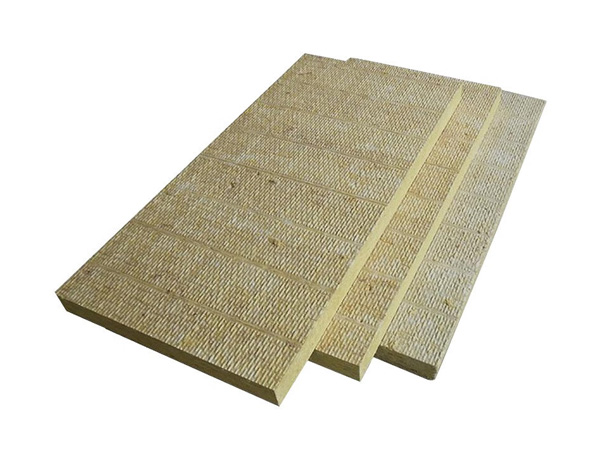
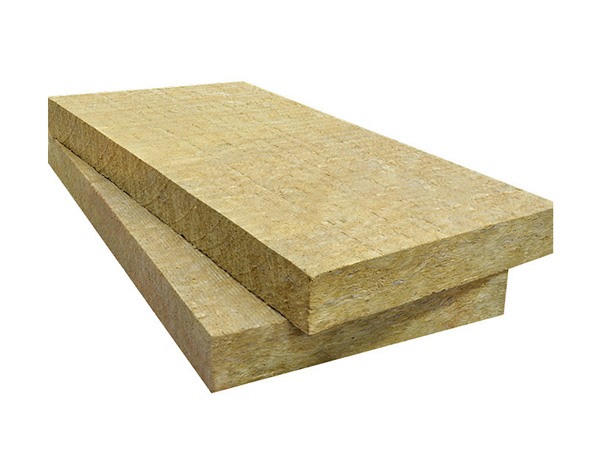
The fiber mass is collected and formed into slabs, rolls, or customized shapes through oscillating conveyor systems. This stage defines product density and thickness. Consistency here ensures that the final insulation panels meet strict industrial specifications, particularly in construction and energy sectors.
Curing Stabilizes the Material Structure
After forming, the material passes through a curing oven where heat activates the binder. This process locks the fibers into a stable configuration. Proper curing is essential for dimensional stability, durability, and resistance to deformation under load.
Cutting and Finishing Enable Application Precision
Precision cutting systems shape the final products into standardized sizes. Automation ensures tight tolerances, which are crucial for large-scale installations. A reliable rock wool factory integrates CNC-based cutting systems to enhance accuracy and reduce waste.
Quality Control Reflects Manufacturing Expertise
Quality assurance involves density testing, thermal conductivity measurement, and fire resistance validation. Laboratories within the factory environment ensure compliance with international standards such as ASTM and EN. This systematic validation reinforces product trustworthiness.
References
Rafiei, M. et al. Recognition of Defective Mineral Wool Using Deep Learning Models
Ebel, D.S. High Temperature Behavior of Silicate Materials