



A steel workshop is one of the most demanding building types to insulate. Between the thermal extremes, high moisture generation from workshop processes, structural vibration from machinery, and the need for a safe, comfortable working environment for skilled tradespeople, the steel workshop insulation specification must work harder than in most other building types. Choosing the right glass wool blanket for a workshop application requires understanding how each product parameter affects the performance outcomes that matter most to workshop operators. This practical guide walks through the key selection decisions, written for workshop owners and project managers who need reliable results without wading through unnecessary technical complexity.
Understand Your Workshop's Thermal Profile First
Before selecting any steel workshop insulation product, it is essential to understand the thermal conditions the insulation will face in service. Workshops generate heat from welding, machining, heating systems, and vehicle exhaust—meaning the interior temperature profile differs significantly from a simple warehouse or storage building. A workshop that operates heating equipment in winter may require less winter heating insulation but still need effective summer cooling insulation if internal heat gains are low.
Our glass wool blanket manufacturer technical team recommends starting with a basic heat load calculation that considers the workshop's geographic location, orientation, internal heat sources, and operating schedule. This calculation determines the target U-value for the roof and walls, which in turn drives the required insulation thickness. Skipping this step and selecting insulation thickness based on a rule of thumb often results in either over-specification and unnecessary cost, or under-specification and persistent comfort problems.
Selecting the Correct Blanket Thickness and Density
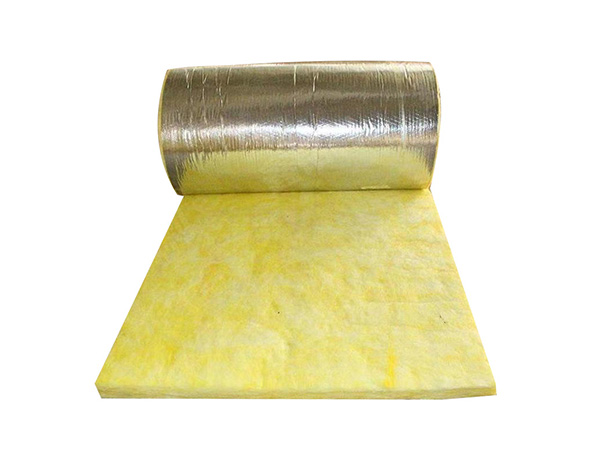
For most temperate climate workshops, 100-150 mm of steel workshop insulation in the roof achieves U-values of 0.25-0.35 W/m²K—comfortably meeting building energy code requirements for industrial buildings. In colder climates or workshops with high heating demands, 150-200 mm thickness may be justified by the resulting energy savings. The glass wool density for these applications typically ranges from 16-32 kg/m³, balancing thermal performance with the flexibility required for blanket installation between purlins.
Higher density glass wool blanket products (40-64 kg/m³) offer improved acoustic absorption—a meaningful benefit in workshops with noisy machinery such as punch presses, grinders, and air compressors. If acoustic comfort is a priority alongside thermal performance, our manufacturing facility produces steel workshop insulation products in higher density grades specifically formulated for dual thermal-acoustic performance.
Facing Selection: Foil, Paper, or Unfaced
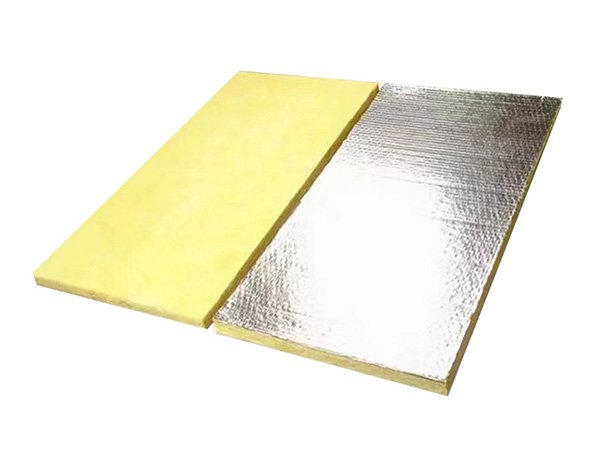
The facing material on the interior surface of the glass wool blanket affects three key performance areas: vapor retarder function, interior surface appearance, and fiber erosion resistance. For workshop applications, aluminum foil facing is almost always the preferred specification for two reasons.
First, the foil facing provides the continuous vapor retarder essential for preventing condensation on the underside of metal roof panels—a critical requirement in workshops where processes generate moisture vapor (washing, painting, steam cleaning, hot water use). Second, the foil facing provides a cleanable interior surface that withstands workshop conditions better than paper or unfaced steel workshop insulation products. From an installation perspective, foil-facing is the easiest to handle, the most resistant to tearing during installation, and the most effective at preventing fiber erosion into the occupied space.
Fire Safety Compliance for Workshop Applications
Workshop environments present elevated fire risks due to welding, hot work, flammable materials, and electrical equipment. The steel workshop insulation specification must meet the fire safety requirements of the applicable building code and the workshop's occupancy classification. All glass wool products from our manufacturing facility carry A1 non-combustible classification, verified through testing to EN 13501-1.
Beyond the insulation itself, verify that the complete roof or wall assembly—including any internal lining panels, fixings, and sealants—meets the fire performance requirements for the building. Our technical team provides fire classification data for the glass wool blanket products and can advise on the compatibility of proposed lining systems with the insulation specification.
Installation Practicalities: What to Discuss With Your Contractor
Even the highest quality steel workshop insulation will underperform if installed incorrectly. Before placing an order with your glass wool blanket manufacturer, confirm the following installation details with your contractor: purlin spacing and depth (to confirm correct blanket width and thickness), roof panel profile (to identify any areas requiring special fitting or additional sealing), location of roof penetrations such as ventilation caps, smoke vents, and roof access hatches (to plan insulation detailing around these elements), and the sequencing of insulation installation relative to other roof work packages.
For workshops with overhead cranes or gantry systems, coordinate the timing of steel workshop insulation installation with the structural steel erection sequence. Installing insulation before the crane runway beams are bolted into position is significantly faster and safer than trying to work around the installed crane infrastructure.
Working Directly With the Manufacturer
Procuring steel workshop insulation directly from a glass wool blanket manufacturer rather than through a distributor provides several practical advantages. Direct procurement typically offers better pricing, more flexible minimum order quantities, and direct access to technical support for specification questions and installation queries. Our manufacturing facility supplies glass wool blanket products to workshops, factories, and warehouses across multiple industries, with inventory available for rapid dispatch on standard specifications and production capability for custom dimensions on larger orders.
FAQ
Q1: What thickness of glass wool blanket is needed for a typical steel workshop?
A: Most temperate climate workshops require 100-150 mm of steel workshop insulation in the roof and walls. The exact thickness depends on the building's heating and cooling load, local energy code requirements, and whether the workshop operates year-round or seasonally.
Q2: Should steel workshop insulation be foil-faced or unfaced?
A: Foil-facing is recommended for workshop applications because it provides an integrated vapor retarder, withstands workshop conditions better than paper facings, and presents a cleanable interior surface. Foil-faced glass wool blanket also provides radiant heat reflection that improves summer cooling performance.
Q3: Does glass wool blanket provide acoustic benefits for noisy workshops?
A: Yes. Higher density glass wool products (40-64 kg/m³) provide significant acoustic absorption, reducing reverberation and machinery noise within the workshop. Discuss acoustic requirements with our technical team when specifying the steel workshop insulation product.
Q4: How is steel workshop insulation fixed to the steel structure?
A: Glass wool blanket is typically fixed using self-adhesive or welded impaling pins with speed washers. For foil-faced products, additional stitching pins or adhesive ribbon may be used. Our glass wool blanket manufacturer team provides detailed fixing specifications for each product type.
Q5: Can steel workshop insulation be installed after the building is operational?
A: Yes. Retrofit installation of glass wool blanket to existing workshop roofs and walls is common. The installation is typically carried out from inside the building to avoid working at height on the roof exterior. Our technical team can advise on the most effective retrofit approach for specific building configurations.
Conclusion
Selecting the right steel workshop insulation requires matching the glass wool blanket specification to the workshop's specific thermal, moisture, fire, and acoustic requirements. Working directly with an experienced glass wool blanket manufacturer gives workshop owners and project managers access to technical guidance that ensures the correct product is specified, supplied in the right quantities, and installed to deliver the intended performance over the building's operating life. The effort invested in getting the insulation specification right pays dividends in lower energy bills, improved worker comfort, and reduced maintenance costs for decades after the workshop is commissioned.
References
1. EN 13162:2012+A1:2015, "Thermal Insulation Products for Buildings — Factory Made Glass Wool (GW) Products — Specification," European Committee for Standardization, Brussels, 2015.
2. ISO 6946:2017, "Building Components and Building Elements — Thermal Resistance and Thermal Transmittance — Calculation Methods," International Organization for Standardization, Geneva, 2017.
3. EN 13501-1:2018, "Fire Classification of Construction Products and Building Elements — Part 1: Classification Using Data from Reaction to Fire Tests," European Committee for Standardization, Brussels, 2018.
4. CIBSE Guide F: Energy Efficiency in Buildings, Chartered Institution of Building Services Engineers, London, 2019.
5. ASHRAE Standard 90.1-2022, "Energy Standard for Buildings Except Low-Rise Residential Buildings," American Society of Heating, Refrigerating and Air-Conditioning Engineers, Atlanta, GA, 2022.