



Metal buildings lose and gain heat faster than any other construction type. Without a properly specified roof insulation glass wool blanket, the roof of a metal building becomes the primary route for heat transfer—driving up heating and cooling costs, creating uncomfortable interior temperatures, and accelerating the corrosion of metal roof panels through condensation cycles. For building owners, facility managers, and procurement teams evaluating roof insulation solutions, understanding why glass wool blanket consistently outperforms alternative materials in metal building applications is essential to making a sound purchasing decision.
Why Metal Building Roofs Need Superior Insulation
The thermal behavior of a metal building roof is fundamentally different from a concrete or masonry roof. Metal has very low thermal mass—meaning it responds to outdoor temperature changes almost immediately, without the dampening effect that heavy construction materials provide. On a summer afternoon, an uninsulated metal roof surface can reach 70-80°C under direct sunlight, radiating intense heat into the building interior and forcing air conditioning systems to work at maximum capacity. On a clear winter night, the same roof rapidly loses heat to the sky, causing the building interior to chill despite active heating.
This thermal instability affects worker productivity, damages temperature-sensitive equipment, increases energy costs, and creates condensation conditions that corrode roof panels from below. A quality roof insulation glass wool blanket creates a stable thermal barrier that moderates the roof's response to outdoor temperature swings, keeping interior temperatures more stable and reducing the load on HVAC systems year-round.
How Glass Wool Blanket Performs in Metal Building Roofs
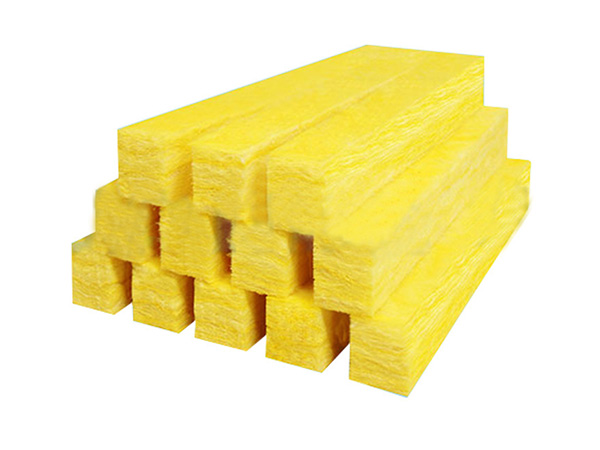
The roof insulation glass wool blanket works through two complementary mechanisms in metal building applications. First, the fibrous glass wool core provides conductive thermal resistance that slows heat transfer between the exterior roof surface and the building interior. With thermal conductivity as low as 0.033 W/mK, a 100 mm thick glass wool layer reduces heat flow by approximately 85% compared to an uninsulated roof.
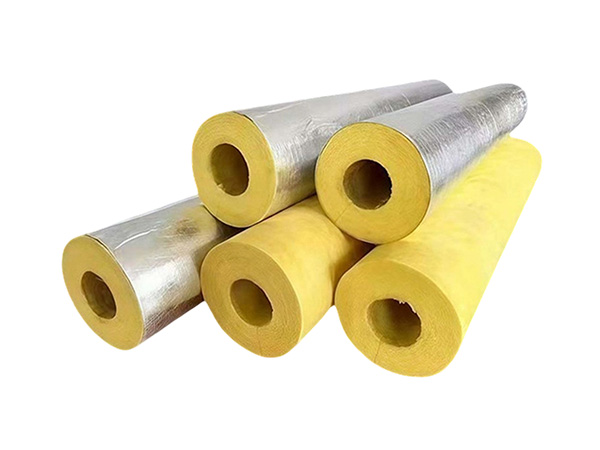
Second, when the roof insulation glass wool blanket is specified with aluminum foil facing, the foil provides radiant heat reflection that further improves summer performance. On a sunny day, a foil-faced glass wool blanket reflects up to 90% of incident solar radiation back toward the roof panel, preventing that heat from entering the building. This radiant barrier effect is particularly valuable in metal buildings with poor solar reflectance roof coatings, where the combination of conductive and radiant resistance delivers the most effective thermal protection available at the price point.
Condensation Prevention Through Vapor Retarder Design
Interior condensation on metal roof panels is the most common performance complaint in uninsulated or poorly insulated metal buildings. When warm, humid air inside the building reaches the cold underside of the roof surface during cooler months, water condenses directly on the metal, leading to rust, staining, and water damage to building contents. Over time, this condensation cycle significantly accelerates roof panel corrosion and shortens the roof's service life.
The roof insulation glass wool blanket with factory-applied aluminum foil facing eliminates this condensation mechanism. The foil facing, applied as an integral part of our manufacturing process, creates a continuous vapor retarder across the full width of the roof insulation. With water vapor transmission rates below 0.02 g/m²/day when joints are sealed with compatible tape, the roof insulation system prevents interior moisture from reaching the cold roof surface regardless of the interior humidity level or outdoor temperature.
Fire Safety Performance of Glass Wool Blanket Roof Insulation
Metal building roof fires can spread rapidly, threatening building contents, equipment, and lives. The roof insulation glass wool blanket addresses this risk with its A1 non-combustible classification—the highest fire safety rating available. The mineral fiber core does not ignite, does not contribute to flame spread, does not melt, and does not produce flaming droplets or toxic smoke when exposed to fire.
Our manufacturing facility produces roof insulation glass wool blanket products with documented fire classification to EN 13501-1 and ASTM E84, verified by independent third-party testing laboratories. As a responsible roof insulation supplier, we provide complete fire safety documentation for every project specification, supporting compliance with building codes and helping building owners qualify for favorable insurance terms.
Installation Speed and Cost Advantages
The lightweight nature of the roof insulation glass wool blanket—typically 2-3 kg/m² for a 100 mm thick installation—provides direct cost benefits beyond the insulation budget itself. Reduced roof dead load means lighter structural steel purlins, rafters, and support columns, directly cutting the structural steel cost for the building frame. Our roof insulation products are manufactured in roll widths that match standard purlin spacings, allowing contractors to install them without cutting or custom fitting.
A skilled installation crew can complete 400-600 m² of roof insulation glass wool blanket installation per day—2-3 times faster than rigid board alternatives. On a 5000 m² metal building roof, this speed advantage can save 5-10 days of construction time, reducing labor costs and enabling earlier building occupation. Combined with the material's competitive pricing, the roof insulation glass wool blanket delivers the best total installed cost of any comparable insulation solution.
Long-Term Value and Manufacturer Support
The value of the roof insulation glass wool blanket extends well beyond the initial installation. With a documented service life exceeding 25 years under normal conditions, a quality glass wool roof installation will outlast the building's initial HVAC equipment, interior fit-out, and in many cases the first generation of occupants. The mineral fiber core does not settle, rot, or degrade from age when protected by appropriate facing materials.
Our manufacturing facility supplies roof insulation glass wool blanket products to metal building projects across industrial, commercial, and agricultural sectors. As a direct supplier, we offer competitive pricing, flexible order quantities, and comprehensive technical support—from initial specification through installation guidance and post-installation quality verification. Our team can also advise on complementary products such as roof penetration seals, ventilation baffles, and insulation support meshes for complex roof geometries.
FAQ
Q1: What thickness of roof insulation glass wool blanket is recommended for metal buildings?
A: For most temperate climate metal buildings, 100-150 mm of roof insulation glass wool blanket with foil facing achieves U-values of 0.25-0.35 W/m²K. The specific thickness should be confirmed against the building's energy code requirements and heating/cooling load calculations.
Q2: Does the roof insulation glass wool blanket eliminate condensation in metal buildings?
A: Yes. When installed with foil-facing toward the interior and all joints sealed with foil tape, the roof insulation system provides a continuous vapor retarder that prevents interior moisture from reaching the cold roof surface, eliminating condensation in all normal operating conditions.
Q3: Can roof insulation glass wool blanket be used in food processing or pharmaceutical metal buildings?
A: Yes. Our manufacturing facility produces roof insulation glass wool blanket products in formaldehyde-free formulations suitable for facilities with stringent indoor air quality requirements. Discuss your specific hygiene and air quality requirements with our technical team.
Q4: How does glass wool blanket roof insulation handle roof penetrations and accessories?
A: Glass wool blanket is cut and fitted around roof penetrations using standard hand tools. We supply complementary insulation pieces and compatible sealing tapes for penetration detailing. For complex roof configurations, our roof insulation technical team provides installation drawings showing the recommended approach.
Q5: What is the expected lifespan of glass wool blanket roof insulation on a metal building?
A: Quality roof insulation glass wool blanket products from our manufacturing facility have an expected service life exceeding 25 years. The actual lifespan depends on the facing material durability, the quality of installation, and the building's internal humidity environment.
Conclusion
The roof insulation glass wool blanket is the most cost-effective, technically proven, and practically reliable solution for metal building roof insulation. Its combination of low thermal conductivity, radiant heat reflection, integrated vapor retarder, non-combustible fire performance, and fast installation makes it uniquely suited to the thermal and condensation challenges that metal building roofs present. Working with an experienced roof insulation supplier ensures the correct specification, reliable supply, and quality installation needed to deliver these performance benefits over the full life of the building.
References
1. EN 13162:2012+A1:2015, "Thermal Insulation Products for Buildings — Factory Made Glass Wool (GW) Products — Specification," European Committee for Standardization, Brussels, 2015.
2. ISO 6946:2017, "Building Components and Building Elements — Thermal Resistance and Thermal Transmittance — Calculation Methods," International Organization for Standardization, Geneva, 2017.
3. EN 13501-1:2018, "Fire Classification of Construction Products and Building Elements — Part 1: Classification Using Data from Reaction to Fire Tests," European Committee for Standardization, Brussels, 2018.
4. CIBSE Guide F: Energy Efficiency in Buildings, Chartered Institution of Building Services Engineers, London, 2019.
5. ASHRAE Standard 90.1-2022, "Energy Standard for Buildings Except Low-Rise Residential Buildings," American Society of Heating, Refrigerating and Air-Conditioning Engineers, Atlanta, GA, 2022.