



Metal buildings serve as factories, warehouses, workshops, and agricultural storage across every industrial sector. Yet these structures face a fundamental challenge that traditional construction methods do not: the roof and walls respond to outdoor temperature changes within minutes, creating interior conditions that swing from scorching in summer to frigid in winter. A properly specified metal building insulation blanket is the single most effective solution to this thermal instability. This guide explains the concrete benefits of installing quality glass wool blanket insulation in metal buildings, written from the perspective of a manufacturer that supplies these products to projects throughout the industrial supply chain.
Stabilizing Interior Temperatures Year-Round
The primary benefit of the metal building insulation blanket is its ability to moderate the interior climate of metal buildings that would otherwise follow outdoor temperature swings almost exactly. A 100 mm layer of glass wool installed in the roof reduces heat transfer through the metal panel by approximately 85%, meaning the interior stays noticeably cooler on hot afternoons and warmer on cold nights without relying solely on HVAC systems to compensate.
This thermal stabilization translates directly to worker comfort and productivity. Research consistently shows that workers in thermally unstable environments experience higher fatigue rates, more errors, and lower output during temperature extremes. By maintaining more consistent interior temperatures, the metal building insulation blanket creates conditions where the workforce performs better throughout the year—particularly important in workshops and factories where skilled operators work through all seasons.
Substantial Energy Savings Across All Seasons
Factory and warehouse operators are acutely aware of energy costs—they appear directly in monthly operating statements and directly affect competitiveness. The metal building insulation blanket delivers measurable energy savings in both heating and cooling modes. In winter, the insulation reduces heat loss through the roof and walls by 70-80%, cutting heating energy consumption significantly. In summer, it reduces solar heat gain by a similar margin, lowering air conditioning demand.
For a 2000 m² metal factory building in a temperate climate, upgrading to 100 mm of glass wool blanket roof insulation typically reduces annual energy expenditure by 45-65% compared to the uninsulated equivalent. At current energy prices, this saving can amount to several thousand dollars per year—compounding over the 25-50 year service life of the insulation to produce total energy savings that far exceed the initial installation cost. Our manufacturing team regularly provides projected energy savings calculations to support project investment decisions.
A1 Non-Combustible Fire Protection
Metal buildings present specific fire risks that make the non-combustible classification of the metal building insulation blanket a critical safety feature. The mineral fiber core of quality glass wool products carries A1 classification under EN 13501-1, confirming that it does not burn, does not contribute to flame spread, and does not produce significant smoke when exposed to fire. This certification is verified through independent laboratory testing that our quality assurance team makes available to every project customer.
In practice, A1 non-combustible insulation provides passive fire protection that slows heat transfer to the structural steel frame during a fire event, extending the time before steel temperatures reach critical levels. As a glass wool blanket manufacturer, we supply insulation products to factory and warehouse projects where fire safety certification is a binding requirement of the building permit—our documentation package includes complete fire classification certificates for immediate submission to building control authorities.
Eliminating Condensation That Damages Buildings
Interior condensation on metal roof panels is the most frequently reported performance issue in uninsulated metal buildings. When warm, humid air inside the building contacts the cold underside of the roof surface during cooler months, water condenses directly on the metal, leading to rust, staining, equipment damage, and uncomfortable working conditions. Over months and years, this condensation cycle progressively corrodes the roof panels and can compromise the structural integrity of the building.
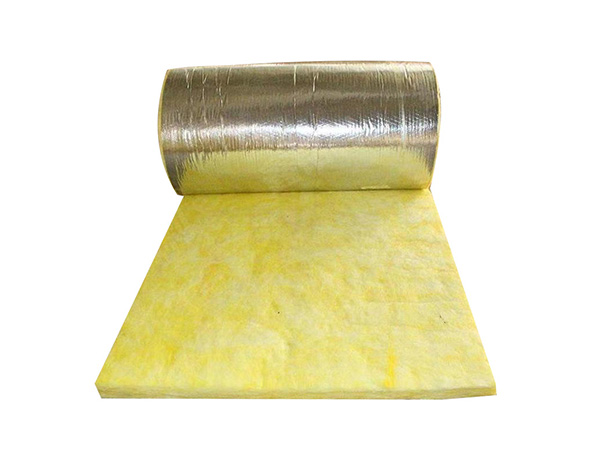
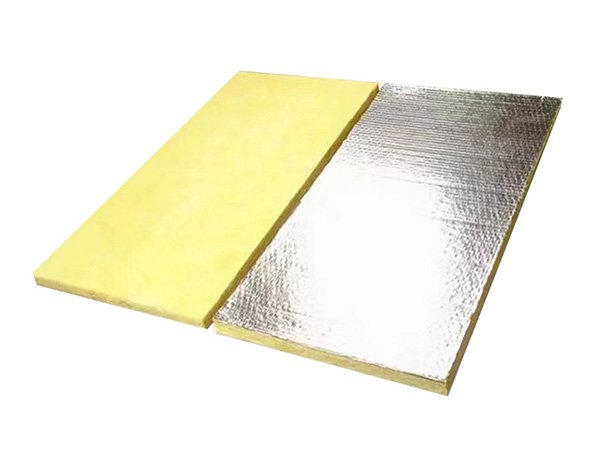
The metal building insulation blanket with factory-applied aluminum foil facing eliminates this condensation mechanism completely. The foil facing creates a continuous vapor retarder that prevents interior moisture from reaching the cold roof surface. When installed with foil tape sealing all overlaps and penetrations, the glass wool insulation system achieves water vapor transmission rates well below the threshold for condensation formation—providing permanent protection that requires no ongoing maintenance or monitoring.
Fast Installation That Keeps Projects on Schedule
Construction programs rarely have flexibility. When a factory or warehouse needs to be operational by a specific date, every week of installation delay translates to lost production, delayed revenue, and contractual penalties. The metal building insulation blanket is designed specifically for rapid installation that fits within tight construction schedules. Our production facility manufactures glass wool blanket products in roll widths that match standard purlin and girt spacings—contractors unroll the blanket directly between structural members without cutting or custom fitting.
A single experienced crew can install 400-600 m² of metal building insulation blanket per working day, achieving installation rates 2-3 times faster than rigid board alternatives. On large-scale projects, this speed advantage can save days or even weeks of construction time. Our supply team coordinates production scheduling and logistics to ensure the insulation materials arrive on site in the sequence required by the construction program—no delays, no waiting for stock replenishment.
Long-Term Value From a Reliable Manufacturer
The value of the metal building insulation blanket compounds over its service life. Quality glass wool products maintain their thermal performance within 5-10% of original values after 25-30 years of service, according to field surveys of insulation removed from buildings at end of life. This long-term stability means the building owner continues to benefit from the energy savings, condensation protection, and fire safety performance throughout decades of operation.
As a glass wool blanket manufacturer with established production facilities and inventory management systems, we supply metal building insulation blanket products to projects throughout the supply chain—from small workshops to large-scale manufacturing plants. Our customer service team handles order management, technical queries, and delivery coordination, providing a single point of contact from specification through installation and beyond.
FAQ
Q1: What thickness of metal building insulation blanket do I need for a factory roof?
A: For most temperate climate factory and warehouse applications, 100-150 mm of metal building insulation blanket provides U-values of 0.25-0.35 W/m²K, comfortably meeting energy code requirements. Verify the specific requirement with local building codes and project energy calculations.
Q2: Does the metal building insulation blanket require a separate vapor barrier?
A: No. The factory-applied aluminum foil facing on our glass wool blanket products provides the vapor retarder function. When joints are sealed with compatible foil tape, the system prevents condensation without additional materials.
Q3: Can the metal building insulation blanket be used in food processing facilities?
A: Yes. We supply formaldehyde-free glass wool blanket products suitable for food processing and pharmaceutical facilities with stringent indoor air quality requirements. Discuss your specific hygiene standards with our technical team.
Q4: What is the typical lifespan of metal building insulation blanket products?
A: Quality metal building insulation blanket products have a service life exceeding 25 years under normal building conditions. The glass wool core is chemically stable and does not degrade from age, humidity, or temperature cycling when protected by the appropriate facing.
Q5: How quickly can a glass wool blanket manufacturer deliver to my project site?
A: Standard specifications are typically dispatched within 3-7 working days from our stock. Large orders or custom dimensions may require 10-15 working days. Our supply team provides confirmed lead times with every project quotation.
Conclusion
The metal building insulation blanket is one of the most impactful investments a metal building owner can make. Its benefits—stabilized interior temperatures, substantial energy savings, A1 non-combustible fire protection, permanent condensation elimination, and fast installation—accumulate over decades to produce returns that far exceed the initial material and installation cost. Working with an experienced glass wool blanket manufacturer ensures that the specification is correct, the supply is reliable, and the technical support is available to deliver a high-performance insulation system that serves the building reliably throughout its operational life.
References
1. EN 13162:2012+A1:2015, "Thermal Insulation Products for Buildings — Factory Made Glass Wool (GW) Products — Specification," European Committee for Standardization, Brussels, 2015.
2. ISO 6946:2017, "Building Components and Building Elements — Thermal Resistance and Thermal Transmittance — Calculation Methods," International Organization for Standardization, Geneva, 2017.
3. EN 13501-1:2018, "Fire Classification of Construction Products and Building Elements — Part 1: Classification Using Data from Reaction to Fire Tests," European Committee for Standardization, Brussels, 2018.
4. CIBSE Guide F: Energy Efficiency in Buildings, Chartered Institution of Building Services Engineers, London, 2019.
5. ASHRAE Standard 90.1-2022, "Energy Standard for Buildings Except Low-Rise Residential Buildings," American Society of Heating, Refrigerating and Air-Conditioning Engineers, Atlanta, GA, 2022.