



Glass Wool Fire Resistant Performance and Safety Guide
Fire resistant insulation materials play an essential role in modern construction and industrial engineering by reducing fire spread and improving building safety. Glass wool insulation is widely recognized for its non-combustible properties and stable thermal resistance under elevated temperatures.
Understanding Fire Resistant Insulation
A professional fire resistant insulation system is designed to slow flame propagation, maintain structural stability during fire exposure, and reduce heat transfer between building sections.
Glass wool insulation achieves these objectives through its inorganic fiber composition and low combustible content.
Why Glass Wool Offers Fire Protection
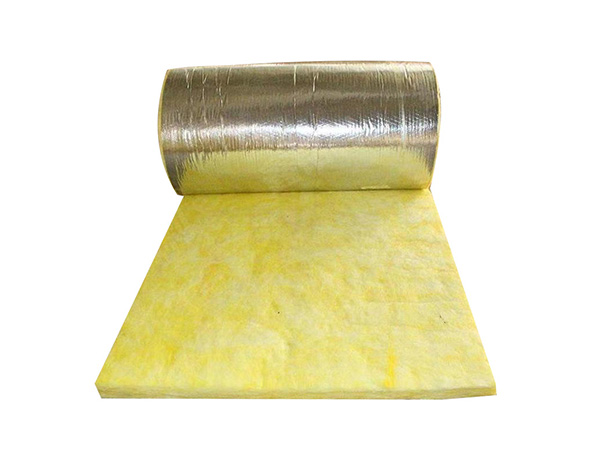
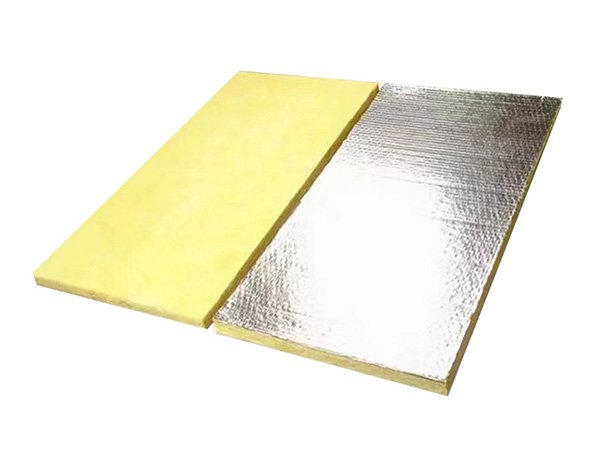
Glass wool fibers are manufactured from molten glass materials that naturally resist combustion. Unlike certain organic insulation products, glass wool does not easily ignite or contribute significantly to flame spread.
This characteristic improves overall building fire performance.
Thermal Stability Under High Temperatures
A reliable fire resistant insulation material must maintain structural integrity under extreme thermal conditions.
Glass wool insulation can withstand elevated temperatures without significant deformation, helping preserve insulation effectiveness during fire incidents.
Smoke Suppression and Safety Benefits
Smoke generation is a major hazard during fires. Glass wool insulation produces relatively low smoke emissions compared with combustible insulation materials.
Lower smoke density improves visibility and evacuation safety in enclosed environments.
International Fire Safety Standards
Glass wool products are commonly tested according to:
ASTM E84
EN 13501
ISO fire standards
These standards evaluate flame spread, smoke development, and non-combustibility performance.
Applications in Commercial Buildings
Typical applications include:
HVAC duct insulation
Fire-rated wall systems
Industrial pipelines
Smoke exhaust systems
High-rise buildings
Installation and Compliance Considerations
Correct installation is essential for maintaining fire protection performance. Engineers must consider:
Joint sealing
Fire barrier continuity
Mechanical support systems
Code compliance requirements
Long-Term Fire Protection Performance
A high-quality fire resistant insulation system maintains stable thermal and fire performance throughout long operational periods with minimal degradation.
Conclusion
Glass wool remains one of the most reliable fire resistant insulation materials for commercial and industrial applications due to its non-combustible structure, thermal stability, and low smoke generation characteristics.
References
Fire Safety Journal
ASHRAE Fire Protection Standards
ASTM E84 Standard Test Method
Building Materials and Structures Journal