



Glass Wool for Smoke Exhaust Systems Insulation Guide
A smoke exhaust system is a critical safety component in commercial and industrial buildings, designed to remove smoke and toxic gases during fire emergencies. Proper insulation plays a key role in maintaining system performance under high-temperature conditions.
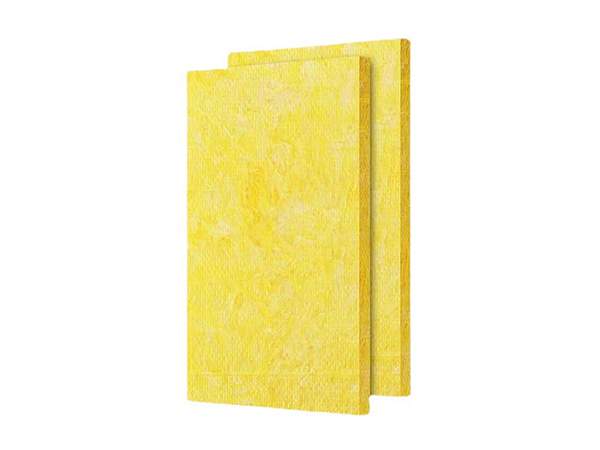
Glass wool insulation is widely used in smoke exhaust duct systems because of its fire resistance and thermal stability.
Importance of Smoke Exhaust System Insulation
A professional smoke exhaust system must continue operating during fire exposure to maintain safe evacuation conditions.
Insulation materials help:
Protect duct structures
Reduce heat transfer
Maintain airflow efficiency
Improve fire safety compliance
Fire Resistance Performance
Glass wool insulation is non-combustible and suitable for high-temperature smoke extraction systems.
This helps prevent flame spread and improves overall system reliability during emergency conditions.
Thermal Stability in High Temperature Conditions
Smoke exhaust ducts may experience extreme temperatures during fire incidents. Glass wool insulation helps maintain duct integrity and operational stability.
Acoustic and Vibration Reduction
In addition to fire protection, glass wool insulation reduces operational noise generated by ventilation airflow and extraction fans.
Moisture and Corrosion Protection
Aluminum foil-faced insulation boards help reduce condensation and improve duct durability in humid environments.
Applications in Modern Buildings
Common applications include:
Underground parking garages
Commercial buildings
Industrial facilities
Hospitals
Shopping malls
Installation and Fire Compliance
Installation must follow HVAC fire protection standards to ensure insulation continuity and smoke containment effectiveness.
Conclusion
Glass wool insulation significantly improves the thermal and fire performance of modern smoke exhaust system installations while supporting long-term operational safety.
References
ASHRAE Smoke Control Systems Handbook
Fire Technology Journal
Building and Environment Journal
NFPA Fire Protection Standards