



Rock wool insulation is a cornerstone material in industrial thermal management systems, trusted for its fire resistance, acoustic performance, and long-term durability. However, the actual thermal efficiency delivered in the field depends on multiple variables that engineers and procurement managers must understand to maximize return on investment. This article examines the critical factors affecting rock wool insulation performance and provides actionable guidance for optimizing system design.
Thermal Conductivity and Temperature Dependence
The primary function of rock wool is thermal resistance. Quality rock wool achieves thermal conductivity ranging from 0.034 to 0.042 W/mK under standard test conditions (mean temperature 10-25°C). This performance metric is not constant—it degrades predictably as operating temperature increases. At a mean temperature of 200°C, thermal conductivity typically rises to 0.050-0.058 W/mK, representing a 30-40% reduction in insulating effectiveness compared to ambient conditions.
Engineers must account for this temperature dependence during insulation thickness calculations. Overlooking this effect leads to undersized insulation systems that fail to meet process temperature maintenance requirements or personnel protection surface temperature limits. Industry-standard calculation methods specified in ISO 12241 provide procedures for determining required thickness at elevated operating temperatures.
Density and Mechanical Properties
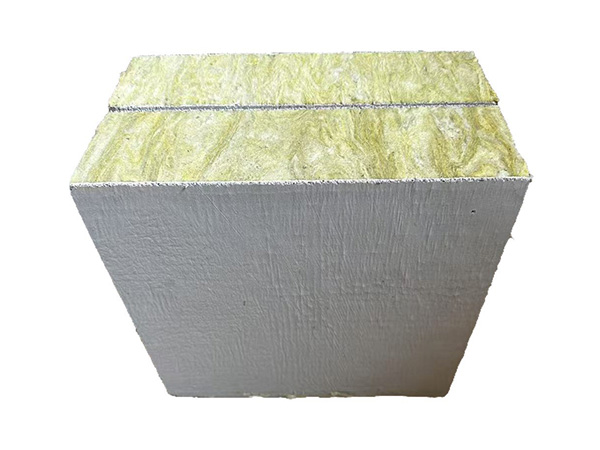
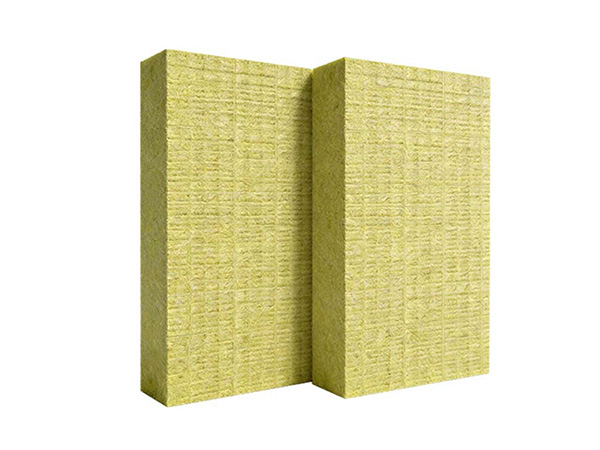
Rock wool insulation density directly controls both thermal resistance and mechanical performance. Higher density products (140-200 kg/m³) provide superior compressive strength, making them suitable for applications subject to foot traffic, external cladding loads, or mechanical disturbance. However, beyond approximately 120 kg/m³, additional density yields diminishing returns in thermal performance while increasing material and handling costs.
For standard industrial piping applications, specifying rock wool at 100-140 kg/m³ balances thermal efficiency with cost-effectiveness and installation practicality. Low-density grades (40-80 kg/m³) serve non-load-bearing applications such as wall and ceiling insulation where acoustic absorption takes priority over mechanical strength.
Moisture Ingress and Water Absorption
Moisture penetration represents the single most significant threat to long-term rock wool insulation performance. Saturated mineral wool can experience thermal conductivity increases of 200-500% compared to dry material, effectively eliminating the insulation's intended function. Water ingress also promotes corrosion under insulation (CUI), a leading cause of pipeline and equipment failure in petrochemical and process industry facilities.
Hydrophobic rock wool products incorporate water-repellent additives during manufacturing, reducing water absorption to less than 1.0 kg/m² under partial immersion conditions per EN 1609 testing. For outdoor installations, cryogenic systems, and applications in humid environments, specifying hydrophobic grades with properly installed vapor barriers and weather barriers is essential for maintaining thermal performance over the system service life.
Binder Content and Elevated Temperature Stability
Standard rock wool insulation uses phenol-formaldehyde resin binders at concentrations of 1-5% by weight. While cured binders are generally stable under normal conditions, they begin to oxidize and release combustion products at temperatures above 180-200°C. For high-temperature applications approaching or exceeding 250°C, specifying low-binder or binder-free rock wool grades prevents binder-related emissions and maintains long-term thermal stability.
Modern formaldehyde-free rock wool alternatives utilize inorganic or bio-based binding systems that maintain structural integrity without hazardous emissions at elevated temperatures. These products extend the effective service temperature range and improve indoor air quality in occupied building applications.
Installation Quality and Joint Integrity
Even the highest-performance insulation board delivers substandard results when improperly installed. Gaps, voids, and compression at joints create thermal bypass pathways that significantly reduce overall system effectiveness. Field thermal imaging surveys routinely reveal 20-40% of installed insulation systems containing detectable defects that compromise thermal performance.
Proper joint treatment—using compatible sealants, tapes, or mastics—prevents thermal bridging at board joints. Staggered joint placement between consecutive insulation layers eliminates through-thickness thermal pathways. Mechanical fastener density and type must match the application conditions, with increased fastener frequency required for high-vibration environments and elevated-temperature service.
Fire Performance and Smoke Development
Rock wool's A1 non-combustible classification (EN 13501-1) confirms it does not contribute to fire growth under any circumstances. This characteristic makes it indispensable for fire-rated assemblies, escape routes, and facilities handling flammable materials. However, smoke development characteristics vary by product grade and facing materials.
Unfaced rock wool produces negligible smoke during fire exposure. Organic facings such as polyester films or paper-backed aluminum may contribute smoke generation. For critical fire protection applications, specify unfaced or mineral glass cloth-faced products to maintain the inherent non-combustible and low-smoke characteristics of the base mineral wool.
Conclusion
Maximizing rock wool insulation performance requires attention to factors spanning material specification, system design, and installation quality. Selecting appropriate density grades for the operating environment, specifying hydrophobic products for moisture-prone applications, accounting for temperature-dependent thermal conductivity in design calculations, and enforcing installation quality standards are all essential practices. By understanding and controlling these variables, engineering teams can specify rock wool insulation systems that consistently deliver designed thermal efficiency and fire safety performance throughout their operational service life.
References
1. ISO 12241:2008, "Thermal Insulation for Building Equipment and Industrial Installations — Calculation Rules," International Organization for Standardization, Geneva, 2008.
2. ASTM C612-20, "Standard Specification for Mineral Fiber Block and Board Thermal Insulation," ASTM International, West Conshohocken, PA, 2020.
3. EN 1609:2013, "Thermal Insulating Products for Building Applications — Determination of Short-Term Water Absorption by Partial Immersion," European Committee for Standardization, Brussels, 2013.
4. NACE SP0198-2016, "Control of Corrosion Under Thermal Insulation and Fireproofing Materials," NACE International, Houston, TX, 2016.
5. Schiavoni, S., et al. (2016). "Insulation materials for the building sector: A review and comparative analysis." Renewable and Sustainable Energy Reviews, 62, 988-1010.