



Rock wool insulation is a critical component in industrial thermal management systems, offering exceptional fire resistance, thermal efficiency, and acoustic performance. Proper installation directly determines whether the insulation system achieves its intended performance over a 20-30 year service life. This comprehensive guide covers the essential installation procedures, safety requirements, and best practices for industrial project applications.
Pre-Installation Site Assessment and Preparation
Successful rock wool insulation installation begins with thorough site preparation. Before any material arrives at the project site, conduct a comprehensive assessment of substrate conditions, environmental factors, and equipment readiness.
Surface condition verification represents the first critical step. Inspect all piping, equipment, and structural surfaces for rust, scale, oilcontamination, weld spatter, and debris. NACE SP0198 guidelines recommend surface preparation to minimum Sa 2.5 cleanliness standards for industrial environments. Any surface contamination must be removed using appropriate mechanical or chemical cleaning methods before insulation installation proceeds.
Measure and record ambient temperature and relative humidity at the installation location. Most rock wool installation adhesives and sealants require minimum surface temperatures of 4 degrees Celsius and relative humidity below 85 percent for proper curing. Document these conditions in the installation QC records for project compliance purposes.
Material Handling and Storage Requirements
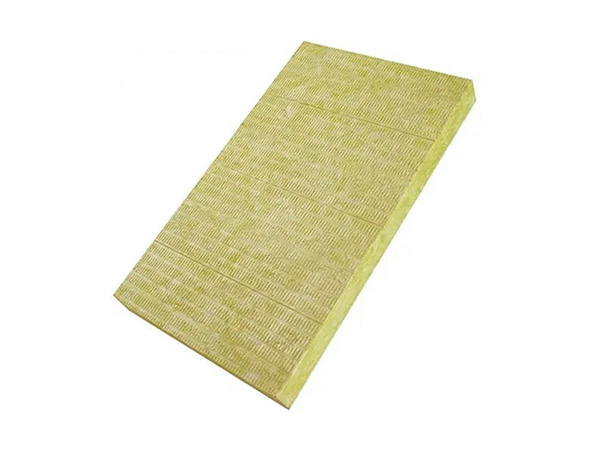
Proper material handling preserves the thermal performance characteristics of rock wool insulation from the moment it leaves the manufacturing facility through final installation. Improper storage and handling represent leading causes of insulation performance degradation in industrial applications.
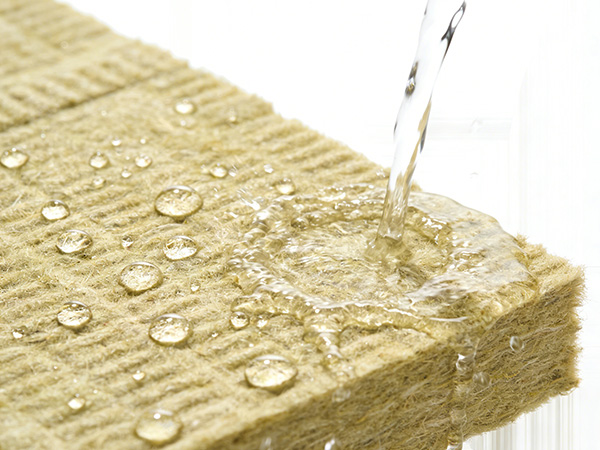
Store rock wool insulation in clean, dry, covered facilities protected from direct sunlight, precipitation, and ground moisture. Elevated moisture absorption significantly compromises thermal resistance; research indicates that saturated mineral wool can lose 30-50 percent of its designed thermal performance. Use pallet racks or elevated platforms to keep insulationmaterials off ground surfaces.
Inspect all incoming materials upon delivery. Reject any rolls or boards showing evidence of water staining, compressed fibers, torn facings, or damaged edges. Document any material defects with photographic evidence and notify the supplierwithin 24 hours for warranty claim processing.
Surface Preparation and Priming Procedures
The substrate surface preparation directly correlates with long-term adhesion performance and corrosion prevention. Inadequate surface preparation ranks among the most common causes of insulation system failure in industrial applications.
For carbon steel substrates, accomplish complete removal of rust, mill scale, and oxidation using abrasive blasting, grinding, or wire brushing to achieve the specified surface profile. Measure surface profile depth using appropriate instrumentation; standard industrial applications require minimum 50 micrometers for mechanical fastener engagement. Apply primer coatings within 4 hours of surface preparation to prevent re-oxidation.
Austenitic stainless steel surfaces require specialized handling. Use dedicated tools and consumables to prevent iron contamination from carbon steel contact. Perform passivation обработ following ASTM A967 specifications after any grinding or welding operations. Chloride content validation per NACE SP0198 ensures substrate compatibility with insulation systems in corrosive service environments.
Adhesive Application and Board Mounting Techniques
Correct adhesive application techniques ensure secure bonding between rock wool insulation and substrate surfaces while maintaining thermal efficiency throughout the system service life.
Apply insulation adhesives using approved application equipment at manufacturer-specified coverage rates. Coverage typically ranges from 30-50 percent contact area for mechanical adhesion, with full adhesive coverage required for vapor barrier critical applications. Maintain adhesive pot temperatures within manufacturer-specified ranges, typically 18-35 degrees Celsius for best dispensing characteristics.
Press rock wool boards firmly against prepared surfaces immediately after adhesive application to achieve optimal wet-out and bonding. Stagger butt joints between adjacent boards to prevent through-thickness thermal bridging. For multi-layer insulation systems, offset longitudinal joints by minimum 75 millimeters between layers to eliminate direct thermal pathways.
Mechanical Fastening and Securement Methods
Mechanical fasteners provide primary securement for insulation systems subject to vibration, wind loading, or mechanical disturbance. Fastener selection and spacing directly impact system integrity over the operating lifespan.
Select fastener materials compatible with operating temperatures and environmental conditions. Standard carbon steel fasteners suit applications below 200 degrees Celsius with low humidity exposure. Above 200 degrees Celsius or in coastal/industrial atmospheres, specify series 300 stainless steel fasteners to prevent galvanic corrosion and mechanical failure. Follow manufacturer torque specifications to prevent substrate damage or fastener failure.
Determine fastener spacing based on insulation thickness, operating temperature, and dynamic loading. Typical industrial installations require fasteners at 300-450 millimeter centers for vertical surfaces and 200-300 millimeter centers for overhead installations. Increase fastener densityin high-vibration equipment areas, process piping with continuous motion, orexterior installations subject to wind loads.
Seam Sealing and Vapor Barrier Installation
Seam sealing and vapor barrier continuity represent the most critical factors in long-term insulation performance for cold service and dual-temperature applications. Moisture ingress through inadequately sealed seams accounts for majority of insulation degradation failures.
Seal all longitudinal and transverse joints using compatible sealants or self-adhesive tapes. Ensure seam seals overlap minimum 50 millimeters and apply continuous pressure to achieve complete adhesive contact. For vapor-critical applications, verify seam integrity using ultraviolet detection or thermal imaging survey methods within 48 hours of installation.
Maintain vapor barrier continuity at all penetrations, supports, and termination points. Pre-formed sealboots, pourable sealants, and specialty caulks address common penetration details. Train installation crews on proper terminationdetails for valves, flanges, instrument connections, and pipe supports to maintain barrier integrity.
Inspection, Testing, and Quality Verification
Quality verification procedures validate installation completeness and identify deficiencies before system commissioning. Early defect identification enables cost-effective remediation compared to post-commissioning repairs.
Conduct visual inspection of 100 percent of installed insulation surfaces within 7 days of installation completion. Document any gaps, voids, dislodged sections, damaged facings, or compromised seams with photographic evidence and location markers. Thermal imaging surveys identify hidden thermalbridging anddelamination issues not visible during visual inspection.
Perform moisture content verification using calibrated instrumentation for systems in humid environments or cryogenic applications. Acceptable moisture content varies by density and facing but typically remains below 2 percent by weight for properly protected systems. Remediate any areas exceeding acceptable thresholds before system commissioning.
Safety Requirements and Compliance Standards
Industrial insulation installation involves multiple safety hazards requiring comprehensive hazard identification, training, and personal protective equipment programs.
Mineral wool fibers cause skin irritation and respiratory sensitization. Provide appropriate PPE including long-sleeve coveralls, gloves, eye protection, and N95-rated respiratory protection during cutting and handling operations. Launder work clothing separately from household laundry to prevent fiber cross-contamination.
Comply with applicable OSHA, local authority, and owner-specific safety requirements. Conduct pre-task safety briefings addressing fall protection, electrical hazards, confined space entry, and equipment-specific hazards unique to the installation scope.
FQA
What is the optimal temperature range for rock wool insulation installation?
Optimal installation occurs at ambient temperatures between 10-30 degrees Celsius with relative humidity below 75 percent. These conditions ensure proper adhesive curing and sealant tack without excessive evaporation rates that compromise bond strength.
How thick should rock wool insulation be specified for industrial piping?
Thickness calculation follows economic analysis considering heat loss targets, process temperature maintenance requirements, and personnel protection needs. Common industrial applicationsspecify 25-100 millimeters depending on operating temperature and thermal efficiency objectives.
Can rock wool insulation be installed over existing aged insulation?
Over-cladding existing insulation requires thorough condition assessment to verify substrate integrity. Remove deteriorated existing insulation showing moisture damage, fiber degradation, or mechanical deterioration. Install new insulation over sound existing systems after surface cleaning and mechanical keying.
What fastener materials are required for high-temperature applications?
Above 200 degrees Celsius operating temperature, specification requires series 300 stainless steel fasteners to prevent carbon steel oxidation and mechanical failure. Above 400 degrees Celsius, consider supplementary welded pinning or clip attachment methods for permanent securement.
Conclusion
Professional rock wool insulation installation requires systematic attention to surface preparation, material handling, mechanical securement, and seam sealing throughout the installation process. Following the procedures outlined in this guide ensures insulation systems achieve designed thermal performance, fire resistance, and durability over their intended service life. Invest in proper installation training, quality verification, and documentation to protect your insulation capital investment and ensure project success.
For project-specific technical assistance or custom insulation specification development, consult qualified insulation engineering professionals with direct experience in your specific industrial sector and operating conditions.
References
1. ASTM C1729-18, "Standard Guide for the Selection and Use of Insulation Materials for Piping," ASTM International, West Conshohocken, PA, 2018.
2. NACE SP0198-2016, "Control of Corrosion Under Thermal Insulation and Fireproofing Materials," NACE International, Houston, TX, 2016.
3. ISO 12241:2008, "Building Equipment and Industrial Installations - Thermal Insulation - Calculation Method," International Organization for Standardization, Geneva, 2008.
4. PIP PN01MV01, "Guide for Design and Installation of Thermal Insulation," Process Industry Practices, Austin, TX, 2014.
5. ASHRAE Handbook - HVAC Applications, American Society of Heating, Refrigerating and Air-Conditioning Engineers, Atlanta, GA, 2019.