



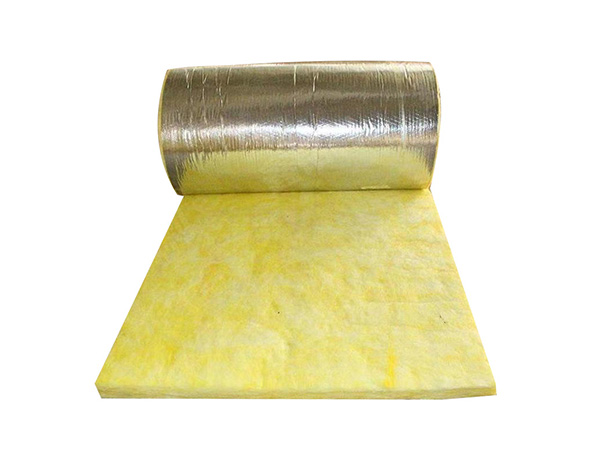
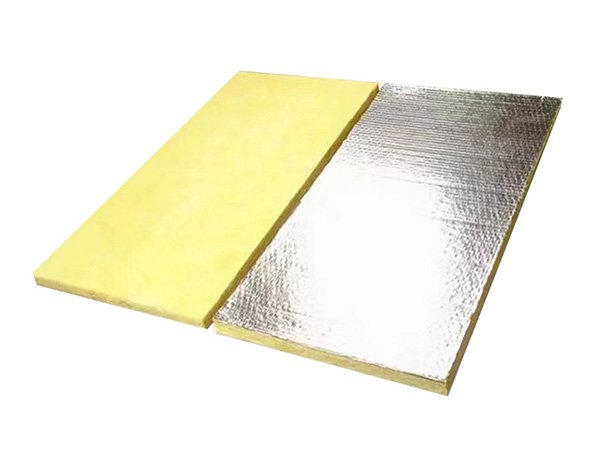
The aluminum foil glass wool blanket has become a staple product in steel structure building insulation, combining the thermal performance of glass wool with the reflective, moisture-proof, and protective properties of aluminum foil facing. This composite product delivers multiple functions in a single installation layer—thermal insulation, vapor retarder, radiant barrier, and surface protection—making it one of the most efficient and cost-effective insulation solutions available for roof and wall systems. This guide examines the specific advantages of aluminum foil glass wool blanket products and why they have become the preferred specification for steel structure factories, warehouses, and agricultural buildings worldwide.
Integrated Radiant Barrier and Thermal Insulation
The most significant advantage of the aluminum foil glass wool blanket is its dual-function design. The glass wool core provides conductive thermal resistance with thermal conductivity as low as 0.033 W/mK, while the aluminum foil facing reflects up to 90% of radiant heat back toward its source. In steel structure roof applications, this radiant barrier function is particularly valuable—on a sunny day, an uninsulated metal roof surface can reach 65-80°C, radiating heat downward into the building interior. The aluminum foil on the aluminum foil glass wool blanket reflects this radiant heat back toward the roof, reducing the cooling load on the building by 25-40% compared to non-reflective insulation materials.
This combined thermal performance allows aluminum foil glass wool blanket products to achieve lower U-values at reduced thickness compared to unfaced glass wool products, saving material cost and reducing the depth required for roof insulation cavities between purlins.
Built-In Vapor Retarder for Condensation Control
Condensation inside steel structure buildings is a major cause of roof panel corrosion, insulation degradation, and water damage to building contents. The aluminum foil facing on aluminum foil glass wool blanket products serves as an effective vapor retarder, with water vapor transmission rates below 0.02 g/m²/day when joints are properly sealed with compatible foil tape. This impermeability prevents warm, moisture-laden interior air from reaching the cold roof surface where condensation would form.
For a steel structure factory in a temperate climate zone, specifying aluminum foil glass wool blanket with sealed foil-faced joints eliminates the condensation risk that would otherwise occur when interior relative humidity exceeds 50-60% during cold weather. The vapor retarder function is factory-integrated into the product, eliminating the separate vapor barrier installation step required with unfaced insulation products and reducing both material cost and installation labor.
Lightweight Design for Fast Installation
Aluminum foil glass wool blanket products are manufactured at low densities of 16-32 kg/m³ for building applications, making them significantly lighter than rigid board insulation alternatives. This light weight provides multiple installation advantages. One worker can carry and install large blanket rolls without mechanical handling equipment, reducing crew size requirements. The blankets unroll easily between purlins and girts, conforming to roof and wall panel profiles without cutting or shaping. Installation rates of 400-600 m² per crew per day are achievable—significantly faster than rigid board installation methods.
The lightweight nature of the aluminum foil glass wool blanket also reduces structural steel requirements. For a 5000 m² steel structure roof, substituting glass wool blanket insulation for rock wool or foam board alternatives can reduce the roof dead load by 5-15 tons, directly reducing the cost of steel purlins, rafters, and columns.
Cost Effectiveness and Material Economy
The advantages of aluminum foil glass wool blanket extend clearly to the project budget. On a cost-per-square-meter basis for equivalent thermal performance, aluminum foil glass wool blanket products are typically 20-35% lower in material cost than foil-faced rock wool and 40-60% lower than rigid foam insulation boards. The combined insulation-plus-vapor-retarder function eliminates the cost of separate vapor barrier materials and their installation labor.
When the full installed cost is calculated—including material cost, vapor retarder cost, installation labor, and associated steel structure cost savings—the aluminum foil glass wool blanket delivers superior value compared to alternative insulation approaches. For cost-conscious building owners, this compelling value proposition is the primary reason for specifying foil-faced glass wool products as the default insulation solution for steel structure buildings.
Versatile Applications Across Building Types
The aluminum foil glass wool blanket is suitable for a wide range of building applications, making it a versatile specification choice:
Steel structure factory and workshop roofs—the primary application, installed between roof purlins with the foil facing toward the interior
Steel structure wall systems—installed between wall girts, providing thermal insulation and vapor control for vertical envelope areas
Agricultural buildings—poultry houses, livestock barns, and greenhouses where moisture control and thermal efficiency are critical
Temporary and portable buildings—fast-installing insulation for modular construction and relocatable structures
Warehouse and logistics centers—large-span roofs requiring cost-effective insulation with reliable condensation control
For each application, the aluminum foil glass wool blanket is available in thicknesses from 50 mm to 200 mm and roll widths matching standard purlin spacing (typically 1.0-1.5 m), ensuring efficient material use with minimal waste.
Fire Safety and A1 Non-Combustible Performance
All aluminum foil glass wool blanket products incorporate a non-combustible glass wool core classified as A1 per EN 13501-1. The aluminum foil facing does not compromise this fire classification—aluminum is non-combustible and does not contribute to flame spread or smoke development. This fire safety advantage is critical for steel structure buildings where fire insurance premiums, building code compliance, and occupant safety are all influenced by the fire performance of building materials.
In steel structure roof assemblies, the aluminum foil glass wool blanket provides passive fire protection that slows heat transfer to the steel structure, delaying the time when steel temperatures reach critical levels. For buildings requiring specific fire resistance ratings, the insulation system should be evaluated as part of the complete fire-rated roof assembly.
FAQ
Q1: Which side of aluminum foil glass wool blanket faces the interior?
A: The aluminum foil facing should face the interior of the building (warm side) to function as a radiant barrier and vapor retarder. The glass wool core faces the exterior roof or wall panel.
Q2: Is aluminum foil glass wool blanket suitable for all steel structure roofs?
A: Yes. Aluminum foil glass wool blanket is suitable for all standard steel structure roof profiles including standing seam, corrugated, and sandwich panel roofs. Confirm the blanket thickness matches the purlin depth for proper installation without compression.
Q3: How is the aluminum foil blanket sealed at joints?
A: Joints are sealed using compatible aluminum foil tape with pressure-sensitive adhesive. Overlap adjacent blanket sections by 50-100 mm and seal the overlap with tape to create a continuous vapor retarder.
Q4: Can aluminum foil glass wool blanket be used in wall applications?
A: Yes. The same aluminum foil glass wool blanket products suitable for roof insulation are equally effective in steel structure wall systems, installed between wall girts with the foil facing the interior.
Q5: What is the typical service life of aluminum foil glass wool blanket?
A: Quality aluminum foil glass wool blanket products have an expected service life exceeding 25-30 years in properly installed building envelope applications. The glass wool core is chemically inert and the aluminum foil facing is corrosion-resistant when not exposed to aggressive chemicals.
Conclusion
The advantages of aluminum foil glass wool blanket—integrated radiant barrier and vapor retarder, lightweight fast installation, cost effectiveness, versatile application suitability, and A1 non-combustible fire safety—make it the optimal insulation specification for steel structure buildings. For building owners and specifiers seeking maximum value from their insulation investment, the aluminum foil glass wool blanket delivers proven performance, reliable condensation control, and compelling whole-life cost advantages that alternative insulation materials cannot match.
References
1. EN 13162:2012+A1:2015, "Thermal Insulation Products for Buildings — Factory Made Glass Wool (GW) Products — Specification," European Committee for Standardization, Brussels, 2015.
2. ISO 6946:2017, "Building Components and Building Elements — Thermal Resistance and Thermal Transmittance — Calculation Methods," International Organization for Standardization, Geneva, 2017.
3. ASHRAE Handbook — Fundamentals, Chapter 26: Insulation for Mechanical Systems, American Society of Heating, Refrigerating and Air-Conditioning Engineers, Atlanta, GA, 2021.
4. EN 13501-1:2018, "Fire Classification of Construction Products and Building Elements — Part 1: Classification Using Data from Reaction to Fire Tests," European Committee for Standardization, Brussels, 2018.
5. CIBSE Guide F: Energy Efficiency in Buildings, Chartered Institution of Building Services Engineers, London, 2019.