



Indoor air quality has become a defining factor in building design, directly affecting occupant health, productivity, and comfort. In enclosed buildings such as steel structure workshops, factories, and commercial facilities, the materials used in walls, roofs, and HVAC systems continuously influence the air that occupants breathe. Formaldehyde-free glass wool insulation provides a way to improve indoor air quality without compromising thermal performance or increasing construction costs. This guide explains how formaldehyde-free insulation works, its health benefits, and why it is becoming the standard specification for health-conscious building projects.
Understanding Formaldehyde in Building Insulation
Traditional glass wool insulation products have historically used formaldehyde-based binder resins to bond glass fibers together and maintain product shape and resilience. These binders perform well functionally but can release low levels of formaldehyde gas—a process known as off-gassing—particularly during the first weeks and months after installation.
Formaldehyde is classified as a known human carcinogen by the International Agency for Research on Cancer (IARC) and is a respiratory irritant that can trigger asthma symptoms, allergic reactions, and eye, nose, and throat irritation at elevated concentrations. While the formaldehyde levels emitted by certified insulation products are regulated and generally low, growing awareness of indoor air quality has driven demand for formaldehyde-free glass wool insulation that eliminates this emission source entirely.
How Formaldehyde-Free Binders Work
Formaldehyde-free glass wool insulation uses bio-based or acrylic binder systems that replace the formaldehyde-based resins with materials derived from renewable resources or synthetic polymers that contain no formaldehyde. These alternative binders provide equivalent fiber bonding strength, product resilience, and thermal performance while eliminating formaldehyde emissions.
Thermal performance of formaldehyde-free insulation products is identical to or better than conventional products, with thermal conductivity values of 0.032-0.040 W/mK. The bio-based binders used in premium formaldehyde-free glass wool products are derived from agricultural byproducts such as corn, soybean, or sugarcane processing waste—adding a renewable content dimension to the product's environmental profile.
Durability testing confirms that formaldehyde-free insulation maintains its thermal performance and structural integrity over the same 50-year service life as conventional glass wool products. The alternative binders undergo the same accelerated aging, thermal cycling, and humidity exposure testing as conventional products to verify long-term reliability.
Benefits for Steel Structure Workshop Air Quality
Steel structure workshops and factories present unique indoor air quality challenges. Large open volumes, limited natural ventilation, and the presence of industrial processes mean that any emissions from building materials accumulate in the indoor environment. Formaldehyde-free glass wool insulation installed in steel structure roof and wall panels eliminates one source of indoor air contaminants, contributing to a healthier working environment for factory personnel.
For steel structure dedicated glass wool products, specifying formaldehyde-free formulations adds no cost premium while providing measurable indoor air quality benefits. Workers in steel structure factories spend 8-12 hours per day in the building—improving the air they breathe through material selection is a direct investment in workforce health and productivity.
VOC Emissions and Certification Standards
Formaldehyde-free glass wool insulation products should carry third-party VOC emission certification from recognized programs such as GREENGUARD Gold, CDPH Standard Method (California), or AgBB (Germany). These certifications confirm that the product meets the strictest limits for total VOC emissions, including formaldehyde, acetaldehyde, and individual VOCs of concern.
The CDPH Standard Method v1.2, for example, sets a maximum allowable formaldehyde emission concentration of 0.05 parts per million (ppm) for building materials used in classrooms, offices, and healthcare facilities. Formaldehyde-free insulation products certified to this standard provide formaldehyde emissions at or below the detection limit—effectively zero—making them suitable for the most sensitive occupied environments.
Specify formaldehyde-free glass wool insulation with published third-party VOC test reports for projects targeting WELL Building Standard, LEED v4.1 EQ credits, or equivalent health-focused certification requirements. The test report should document the specific emission factors for formaldehyde and total VOCs based on the appropriate test chamber method (ASTM D5116 or ISO 16000 series).
Contribution to Green Building Certifications
Using formaldehyde-free insulation to improve indoor air quality contributes directly to multiple green building certification credits:
LEED v4.1 EQ Credit: Low-Emitting Materials: Requires materials to meet CDPH Standard Method VOC emission limits. Formaldehyde-free glass wool products with appropriate certification satisfy this credit requirement.
WELL Building Standard Air Concept: Requires verification that all insulation materials meet strict VOC emission limits. Formaldehyde-free insulation is the simplest path to compliance.
BREEAM Health and Wellbeing Category: Credits for low-VOC materials that reduce indoor pollutant concentrations.
Specifying formaldehyde-free glass wool insulation across all building envelope applications—roof, walls, and HVAC insulation—maximizes the contribution to these certification credits while ensuring consistent indoor air quality throughout the building.
Cost Impact and Market Availability
The cost of formaldehyde-free glass wool insulation has decreased significantly as manufacturing technology has matured and production volumes have increased. Today, formaldehyde-free products are available at the same or very similar pricing to conventional products from major glass wool manufacturers. The elimination of formaldehyde-based binders has also reduced the need for ventilation during post-installation curing periods, potentially reducing construction schedule duration and HVAC flushing costs before building occupancy.
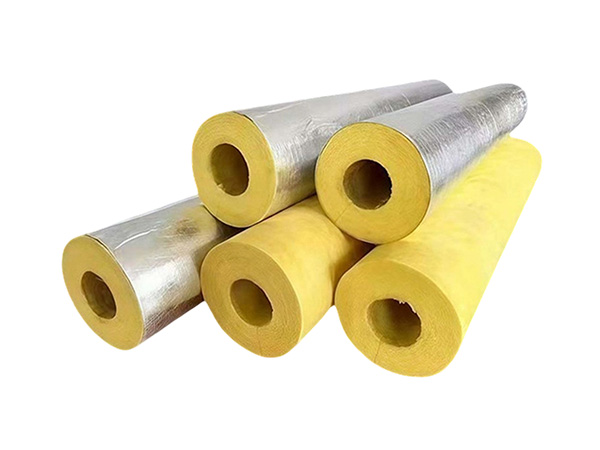
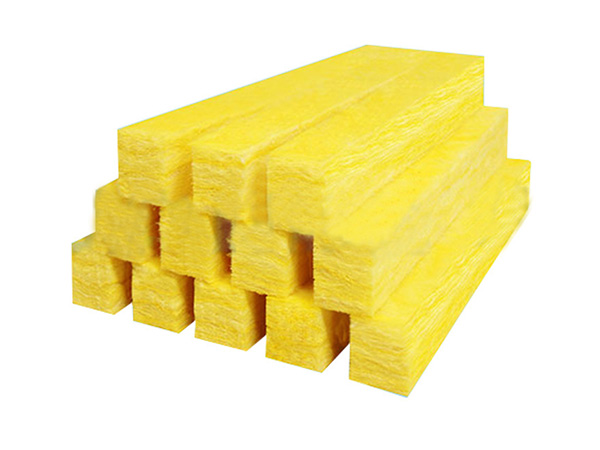
Market availability of formaldehyde-free glass wool insulation is now comprehensive across all standard product types: rolls, batts, boards, pipe sections, and faced products. For steel structure roof and wall applications, formaldehyde-free steel structure dedicated glass wool with aluminum foil facing is available as a standard product from leading manufacturers.
FAQ
Q1: Is formaldehyde-free glass wool as effective as standard glass wool?
A: Yes. Formaldehyde-free glass wool insulation provides identical or better thermal performance, durability, and fire safety compared to conventional products. The only difference is the binder chemistry, which eliminates formaldehyde emissions.
Q2: Does formaldehyde-free insulation cost more?
A: In most cases, no. Formaldehyde-free insulation is now available at comparable pricing to conventional insulation from major manufacturers. The small premium that existed during the early years of this technology has been eliminated by manufacturing scale.
Q3: Can formaldehyde-free glass wool be used in steel structure buildings?
A: Yes, and it is recommended for steel structure workshops and factories where workers spend extended periods. Steel structure dedicated glass wool with formaldehyde-free binder provides the same thermal and fire protection benefits while improving indoor air quality.
Q4: How do I verify that glass wool insulation is truly formaldehyde-free?
A: Request the manufacturer's third-party VOC emission test report from a certified laboratory (GREENGUARD, Eurofins, or equivalent). The report should document formaldehyde emissions at or below the detection limit of the test method.
Q5: Does formaldehyde-free insulation help with building certification?
A: Yes significantly. Formaldehyde-free glass wool insulation contributes directly to LEED v4.1 EQ credits, WELL Air Concept requirements, and BREEAM Health credits. It is one of the most cost-effective material selections for improving certification outcomes.
Conclusion
Choosing formaldehyde-free glass wool insulation is one of the most effective and cost-neutral actions building owners and specifiers can take to improve indoor air quality in steel structure buildings, factories, and commercial facilities. The elimination of formaldehyde emissions, combined with the proven thermal performance, fire safety, and durability of glass wool, makes formaldehyde-free insulation the specification of choice for health-conscious construction projects. For building owners committed to occupant health and green building certification, specifying formaldehyde-free glass wool insulation across all building envelope applications is a straightforward decision with measurable benefits for the people who use the building.
References
1. CDPH Standard Method v1.2, "Standard Method for the Testing and Evaluation of Volatile Organic Chemical Emissions from Indoor Sources Using Environmental Chambers," California Department of Public Health, Richmond, CA, 2017.
2. World Health Organization (2010). "WHO Guidelines for Indoor Air Quality: Selected Pollutants." WHO Regional Office for Europe, Copenhagen, Denmark, 2010.
3. ASTM D5116-17, "Standard Guide for Small-Scale Environmental Chamber Determinations of Organic Emissions from Indoor Materials/Products," ASTM International, West Conshohocken, PA, 2017.
4. USGBC LEED v4.1 Reference Guide for Building Design and Construction, U.S. Green Building Council, Washington, DC, 2021.
5. WELL Building Standard v2, "Air Concept: Materials," International WELL Building Institute, New York, NY, 2020.