



When a factory owner or project engineer sits down to evaluate roof and wall insulation options for a new steel structure building, the decision often comes down to a shortlist of proven materials. Among those shortlisted, the steel structure glass wool blanket consistently emerges as the specification that delivers the best balance of thermal performance, fire safety, installation speed, and total cost. Understanding why this specific product performs so well in steel structure applications—and how to select the right specification from a glass wool blanket manufacturer—is the focus of this guide for buyers and specifiers.
The Steel Structure Building Challenge
Steel structure buildings differ fundamentally from concrete or masonry construction in how they interact with the environment. Metal roof and wall panels have very low thermal mass—they heat up rapidly in sunshine and cool down just as quickly at night. Without effective insulation, a steel structure workshop can become an oven in summer and a freezer in winter, making the working environment intolerable for employees and causing equipment to malfunction from temperature extremes.
The large roof and wall surface areas of typical factory buildings mean that even small improvements in insulation performance translate to significant energy savings. A steel structure glass wool blanket installed between the roof purlins creates a continuous thermal barrier that dramatically reduces heat transfer, keeping interior temperatures stable and reducing the load on heating and cooling systems throughout the year.
Thermal Performance That Drives Down Energy Bills
The thermal conductivity of quality steel structure glass wool blanket products ranges from 0.033 to 0.038 W/mK, depending on density and product grade. This performance level means a 100 mm thick blanket of glass wool achieves a roof U-value of approximately 0.35 W/m²K—comfortably exceeding the insulation requirements of most building energy codes for industrial buildings.
For a 3000 square meter factory roof, upgrading from no insulation to 100 mm of steel structure glass wool blanket typically reduces annual heating energy consumption by 55-70%. At current energy prices, this translates to thousands of dollars in annual savings that compound over the 25-50 year service life of the insulation. The initial material and installation cost is typically recovered within 18-36 months through energy savings alone.
Fire Safety That Protects Lives and Assets
Factory fires represent one of the most significant financial risks for manufacturing businesses. The steel structure glass wool blanket addresses this risk directly through its A1 non-combustible classification—the highest possible fire safety rating under European and international standards. The mineral fiber core of the glass wool does not burn, melt, or produce flaming droplets when exposed to fire, and it does not contribute to smoke development.
This non-combustible characteristic is particularly important for steel structures because structural steel loses its load-bearing capacity rapidly at temperatures above 550°C. Glass wool blanket insulation applied to roof and wall panels slows the rate at which fire heat reaches the steel frame, providing additional time for evacuation and firefighting intervention. As a glass wool blanket manufacturer, we see fire safety certification as a non-negotiable baseline for all steel structure glass wool blanket products supplied to factory projects.
Condensation Control With Factory-Applied Foil Facing
Interior condensation on the underside of metal roof panels is a persistent problem in uninsulated or poorly insulated steel structure buildings. When warm, moisture-laden air inside the factory meets the cold roof surface during cooler months, water droplets form on the metal, dripping onto equipment, inventory, and workers below. Over time, this condensation accelerates roof panel corrosion and degrades the insulation itself.
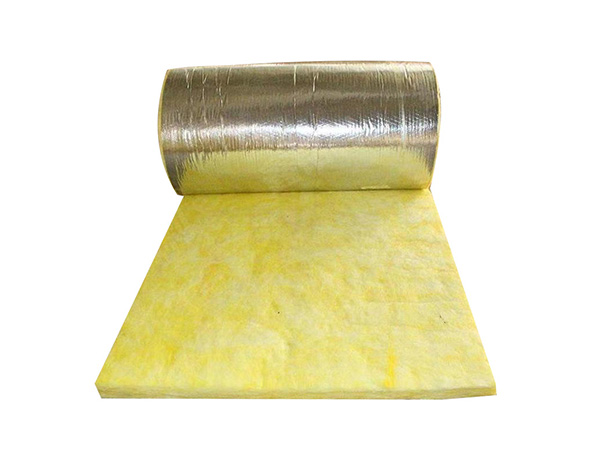
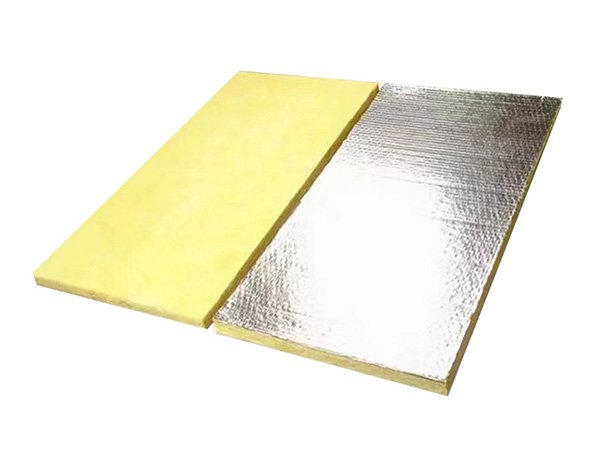
The steel structure glass wool blanket with aluminum foil facing prevents this condensation mechanism entirely. The foil facing, applied in our manufacturing facility as an integral part of the production process, creates a continuous vapor retarder across the entire roof insulation plane. When installed with foil tape at overlaps and penetrations, the system achieves water vapor transmission rates below 0.02 g/m²/day—effectively eliminating moisture migration into the roof assembly.
Installation Speed That Keeps Projects on Schedule
Construction timelines are a constant pressure in factory building projects. Every additional day of installation time translates directly to additional cost and delayed occupancy. The steel structure glass wool blanket is specifically engineered for rapid installation between purlins and girts—no cutting to exact dimensions, no specialized equipment, no multi-layer systems requiring sequential installation steps.
Our production team manufactures steel structure glass wool blanket products in roll widths that match standard purlin spacings, allowing contractors to unroll the blanket directly between structural members with minimal trimming. A single installation crew working standard hours can complete 400-600 m² of roof insulation per day—2-3 times faster than rigid board alternatives. This speed advantage can save days or even weeks on large-scale factory projects.
Supply Chain Reliability From a Trusted Manufacturer
When selecting a glass wool blanket manufacturer for a factory project, supply chain reliability is as important as product performance. Our production facility maintains inventory of standard steel structure glass wool blanket specifications ready for rapid dispatch, with the capacity to produce custom dimensions and thicknesses for non-standard building designs.
We supply glass wool blanket products to factory projects across multiple industries—including manufacturing plants, logistics warehouses, agricultural facilities, and commercial workshops. Our technical team works directly with project specifiers to confirm correct thickness, facing type, and installation details before orders are placed, ensuring the insulation system performs as designed once installed.
FAQ
Q1: What thickness of steel structure glass wool blanket is recommended for a factory roof?
A: For temperate climate zones, 100-150 mm of steel structure glass wool blanket with foil facing typically provides the best balance of thermal performance and cost. Verify against local building energy code requirements and heating/cooling load calculations for the specific project.
Q2: Does the steel structure glass wool blanket require a separate vapor barrier?
A: No. The factory-applied aluminum foil facing on our steel structure glass wool blanket products serves as the vapor retarder. When joints are sealed with compatible foil tape, the system provides complete condensation protection without additional materials.
Q3: Can steel structure glass wool blanket be installed on both new build and retrofit projects?
A: Yes. Glass wool blanket products are suitable for new construction installation between purlins and for retrofit application to existing steel structure roofs and walls. Our technical team can advise on fixing methods and detailing for specific retrofit scenarios.
Q4: What is the lead time for steel structure glass wool blanket orders from the manufacturer?
A: Standard specifications are typically available from stock within 3-7 working days. Custom dimensions or large volume orders may require 10-15 working days for production. Contact our sales team for confirmed lead times on specific project requirements.
Q5: How long does steel structure glass wool blanket last in service?
A: Quality glass wool blanket products from our manufacturing facility have a documented service life exceeding 25 years under normal building conditions. The mineral fiber core is chemically inert and does not degrade from age, humidity, or temperature cycling when protected by the appropriate facing.
Conclusion
The steel structure glass wool blanket is not simply an insulation product—it is a complete building performance solution that addresses the specific thermal, fire safety, condensation, and installation challenges of steel structure factory buildings. Working directly with an experienced glass wool blanket manufacturer ensures that the product specification, supply logistics, and technical support are all aligned to deliver a roof and wall insulation system that performs reliably for decades. For factory owners and project specifiers evaluating their insulation options, the steel structure glass wool blanket represents the most cost-effective, technically sound, and practically proven solution available today.
References
1. EN 13162:2012+A1:2015, "Thermal Insulation Products for Buildings — Factory Made Glass Wool (GW) Products — Specification," European Committee for Standardization, Brussels, 2015.
2. ISO 6946:2017, "Building Components and Building Elements — Thermal Resistance and Thermal Transmittance — Calculation Methods," International Organization for Standardization, Geneva, 2017.
3. EN 13501-1:2018, "Fire Classification of Construction Products and Building Elements — Part 1: Classification Using Data from Reaction to Fire Tests," European Committee for Standardization, Brussels, 2018.
4. CIBSE Guide F: Energy Efficiency in Buildings, Chartered Institution of Building Services Engineers, London, 2019.
5. ASHRAE Standard 90.1-2022, "Energy Standard for Buildings Except Low-Rise Residential Buildings," American Society of Heating, Refrigerating and Air-Conditioning Engineers, Atlanta, GA, 2022.