



When evaluating insulation materials for a steel structure factory, commercial building, or industrial facility, procurement managers and building owners face a critical question: which material delivers the best value over the building's operating life? Glass wool insulation cost and value analysis must consider not just the initial material price, but also installation labor, thermal performance, durability, energy savings, and whole-life cost. This guide provides a practical framework for understanding glass wool insulation cost and comparing it against the long-term value it delivers.
Initial Material Cost Position
Glass wool insulation cost is among the most competitive of all mainstream insulation materials. On a per-square-meter basis for equivalent thermal resistance (R-value), glass wool products are typically 20-40% lower in material cost than rock wool, 30-50% lower than polyurethane foam, and 50-60% lower than phenolic foam or calcium silicate alternatives.
The cost advantage of glass wool stems from its manufacturing efficiency: glass fibers are produced from abundant raw materials (sand, recycled glass, limestone) at energy-efficient production rates. The lower density required for equivalent thermal performance means more square meters of glass wool insulation are produced per ton of raw material compared to denser alternatives—a fundamental cost advantage that is passed through to buyers.
Installed Cost: Where Labor Savings Add Up
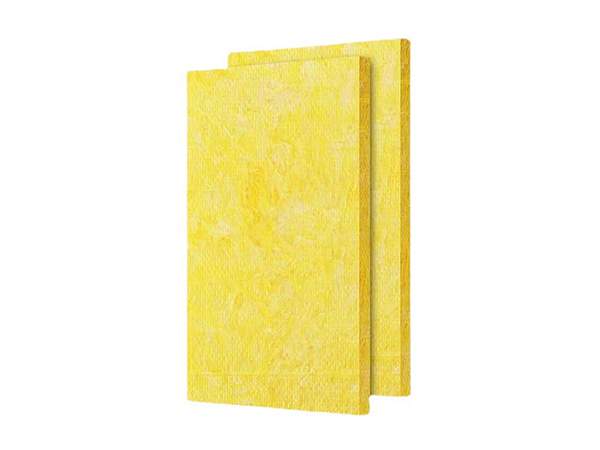
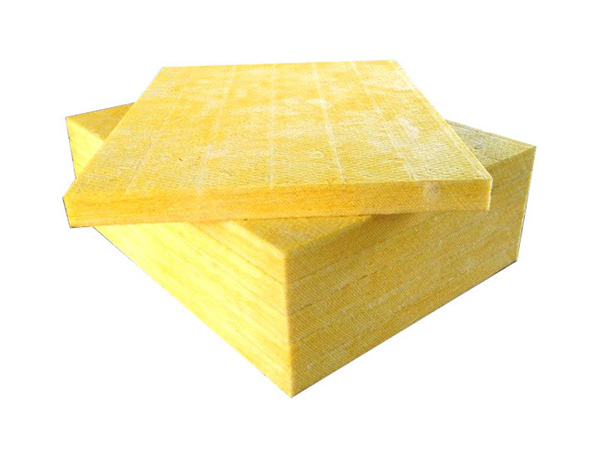
The installed cost of glass wool insulation is where the value proposition becomes even more compelling. Glass wool rolls and batts are lightweight—typically 12-48 kg/m³—and cut easily with a utility knife, requiring no specialized cutting tools or equipment. A skilled installation crew can install glass wool roof insulation at rates of 300-500 m² per day, compared to 150-250 m² per day for rigid board insulation materials.
For steel structure buildings, the speed advantage is even more pronounced. Steel structure dedicated glass wool products with pre-attached facings install directly between roof purlins and wall girts without the need for additional fixings or support mesh. This simple one-step installation reduces labor time by 40-60% compared to multi-layer insulation systems, directly reducing the project's labor budget.
The lightweight nature of glass wool also reduces handling and transport costs. A truckload of glass wool insulation covers 2-3 times more building area than an equivalent truckload of denser insulation materials, reducing freight costs per square meter and simplifying on-site material handling logistics.
Energy Savings and Payback Period
The value of any insulation investment is ultimately measured by the energy it saves. For a typical steel structure factory, adding 100 mm of glass wool insulation to an uninsulated roof reduces heat loss by 80-85%, cutting annual heating energy consumption by 50-70%. In cooling-dominated climates, the same insulation reduces solar heat gain and cooling load by 40-55%.
For a 2000 m² steel structure factory roof, the total installed glass wool insulation cost at typical market rates is approximately $8,000-12,000 USD, depending on the local market and specification details. The annual energy savings from this insulation investment, based on typical heating and cooling loads in temperate climates, range from $3,000-6,000 USD per year—producing a simple payback period of 1.5-3 years.
After the payback period, the insulation continues to save energy for 25-50 years—the service life of quality glass wool insulation products. The total lifetime energy savings, even conservatively estimated, exceed the initial insulation investment by a factor of 5-10 times.
Long-Term Durability and Maintenance Cost
The long-term value of glass wool insulation depends on its ability to maintain thermal performance over time. Glass wool is chemically inert and does not degrade from oxidation, biological activity, or UV exposure when protected by appropriate facings. Field surveys of glass wool insulation removed from buildings after 30-50 years of service show thermal performance within 5-10% of original values—essentially unchanged for practical purposes.
Maintenance requirements for glass wool insulation are minimal—annual visual inspection for damage, compression, or jacketing degradation, with repairs as needed. This low maintenance burden translates to predictable, low building operating costs over the insulation's service life—a significant advantage compared to insulation materials that require periodic replacement or costly maintenance interventions.
Fire Safety Value and Insurance Implications
The non-combustible nature of glass wool insulation provides value beyond thermal performance. Buildings insulated with non-combustible glass wool products may qualify for reduced property insurance premiums compared to buildings using combustible insulation materials. The premium reduction depends on the building type, occupancy, and insurer's underwriting criteria, but typical differences of 5-15% in fire insurance premiums are reported for buildings using non-combustible insulation throughout.
Beyond insurance savings, the fire safety value of non-combustible glass wool insulation includes reduced fire risk, improved occupant safety, and compliance with building codes that increasingly restrict combustible insulation in building envelope applications—all factors that protect the building owner's investment and liability position.
FAQ
Q1: Is glass wool insulation cheaper than rock wool?
A: Yes. Glass wool insulation cost is typically 20-40% lower than rock wool for equivalent thermal performance, primarily because glass wool achieves the same thermal resistance at lower density, reducing material consumption per square meter.
Q2: What is the payback period for glass wool building insulation?
A: For typical steel structure buildings, the payback period for glass wool insulation investment is 1.5-3 years through energy savings, after which the insulation continues saving energy for 25-50 years.
Q3: Does cheap glass wool mean lower quality?
A: No. The lower glass wool insulation cost reflects the material's manufacturing efficiency and lower density, not inferior quality. Quality glass wool products from reputable manufacturers meet the same EN, ASTM, and ISO standards as higher-cost alternatives.
Q4: Can glass wool reduce building insurance costs?
A: Potentially yes. The non-combustible A1 classification of glass wool insulation may qualify buildings for reduced fire insurance premiums compared to buildings using combustible insulation materials.
Q5: How does installation labor affect total glass wool insulation cost?
A: Installation labor typically accounts for 30-50% of total installed glass wool insulation cost. The fast installation speed of glass wool—300-500 m² per day for experienced crews—keeps total installed cost low compared to materials requiring slower installation methods.
Conclusion
When evaluated on a whole-life cost basis, glass wool insulation cost delivers exceptional value for steel structure buildings, commercial facilities, and industrial applications. The combination of low material cost, fast installation, long service life, reliable thermal performance, and significant energy savings produces a return on investment that few building materials can match. For building owners focused on both initial construction budget and long-term operating costs, glass wool insulation provides the best value available in the insulation market today.
References
1. ISO 15686-5:2017, "Buildings and Constructed Assets — Service Life Planning — Part 5: Life-Cycle Costing," International Organization for Standardization, Geneva, 2017.
2. EN 15459-1:2017, "Energy Performance of Buildings — Economic Evaluation Procedure for Energy Systems in Buildings — Part 1: Calculation Procedures," European Committee for Standardization, Brussels, 2017.
3. ASHRAE Handbook — Fundamentals, Chapter 26: Insulation for Mechanical Systems, American Society of Heating, Refrigerating and Air-Conditioning Engineers, Atlanta, GA, 2021.
4. CIBSE Guide F: Energy Efficiency in Buildings, Chartered Institution of Building Services Engineers, London, 2019.
5. Jelle, B.P. (2011). "Traditional, state-of-the-art and future thermal building insulation materials." Energy and Buildings, 43(10), 2547-2564.