



Building envelope insulation is one of the most cost-effective investments in construction, reducing energy consumption, improving occupant comfort, and protecting building structure from thermal stress. Glass wool building insulation has become the preferred choice for steel structure workshops, roof and wall systems, and industrial buildings worldwide. Its unique combination of thermal performance, fire safety, acoustic comfort, and cost efficiency makes it the material of choice for architects and builders seeking reliable long-term performance. This guide examines the key glass wool building insulation benefits that procurement teams and specifiers should understand.
Energy Efficiency and Thermal Performance
The primary benefit of glass wool building insulation is its exceptional thermal efficiency. With thermal conductivity as low as 0.032 W/mK for premium products, glass wool provides maximum thermal resistance at minimum thickness. A 100 mm thick glass wool layer in a steel structure roof achieves a thermal transmittance (U-value) of approximately 0.35 W/m²K—comfortably meeting most building energy code requirements for industrial and commercial roofs.
For steel structure workshops, glass wool building insulation applied to roof and wall panels reduces heating and cooling energy consumption by 40-60% compared to uninsulated buildings. The payback period for insulation investment in such buildings is typically 1-3 years, after which the energy savings directly improve the building owner's operating margin. Roof and wall dedicated glass wool products with factory-applied facings further reduce installation costs by combining insulation and vapor retarder in a single product.
Fire Safety with Non-Combustible Material
Glass wool building insulation is classified as non-combustible (A1 per EN 13501-1), meaning it does not contribute to fire load, flame spread, or smoke development. This is a critical safety benefit for steel structure buildings, where fire can compromise structural steel integrity at temperatures above 550°C. Glass wool provides passive fire protection that slows temperature rise in steel members, providing additional evacuation and firefighting time.
In roof and wall assemblies of steel structure factories, glass wool building insulation eliminates the fire risk associated with alternative combustible insulation materials. The A1 non-combustible characteristic means the insulation itself will never be the origin or propagation path of a building fire—a fact increasingly important for building insurance premiums and regulatory compliance.
Superior Acoustic Comfort
Steel structure buildings are inherently prone to acoustic issues—rain noise on metal roofs, machinery noise echoing off hard surfaces, and sound transmission between building zones. Glass wool building insulation provides excellent acoustic absorption, with Noise Reduction Coefficient (NRC) values of 0.85-1.05 depending on thickness and density. In practical terms, a properly insulated steel building experiences 50-70% less reverberation than an uninsulated equivalent, dramatically improving the working environment for factory personnel.
Steel structure dedicated aluminum foil glass wool products combine the thermal benefits of foil-faced insulation with acoustic absorption. The aluminum facing reflects radiant heat while the fibrous core absorbs airborne noise—a dual function that adds significant value in metal-clad buildings where both thermal and acoustic performance are critical.
Lightweight and Easy Installation
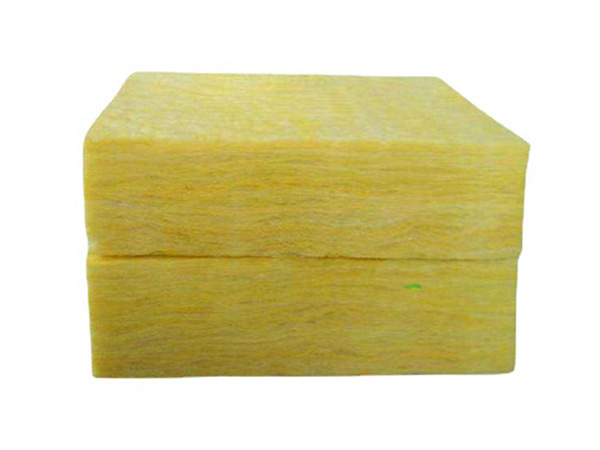
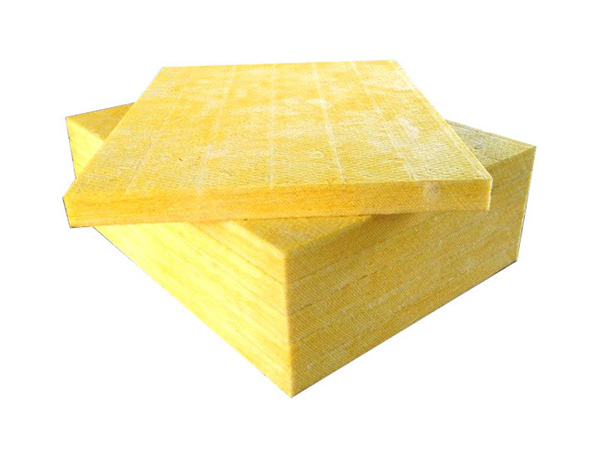
Glass wool building insulation is among the lightest insulation materials available, with standard densities of 12-48 kg/m³ for building applications. This low density means the insulation adds minimal structural load to roof and wall systems—a critical advantage for steel structure buildings where every kilogram of dead load increases structural steel cost. In typical applications, the insulation adds less than 2 kg/m² to the roof assembly compared to 5-10 kg/m² for alternatives.
The low density and easy installation of glass wool translates directly to labor cost savings. A single installation crew can insulate 300-500 m² of roof area per day with glass wool rolls or batts, compared to 150-250 m² with rigid board alternatives. The material cuts easily with a utility knife, conforms to irregular surfaces, and can be installed without specialized tools or equipment—reducing project timeline and installation cost.
Moisture Management and Condensation Control
Condensation inside steel structure buildings can cause corrosion on metal roof panels, staining of interior finishes, and mold growth that compromises indoor air quality. Glass wool building insulation with appropriate vapor retarder facings provides effective condensation control by maintaining the insulation temperature above the dew point of the interior air. Aluminum foil-faced glass wool products provide a continuous vapor barrier with permeability below 0.02 g/m²/day when installed correctly with sealed joints.
In roof applications, the combination of glass wool insulation and aluminum foil facing prevents warm interior air from reaching the cold metal roof surface—eliminating the condensation source. This condensation control benefit preserves the structural integrity of roof panels and extends the building's roof service life.
Cost Savings and Long-Term Value
The combination of low material cost, fast installation labor, and long-term energy savings makes glass wool building insulation one of the highest-value building materials available. Initial material costs for glass wool are 20-40% lower than rock wool alternatives for equivalent thermal performance. The installed cost advantage is even larger due to the lower density and faster installation speed of glass wool products.
Over a 25-year building life, the energy savings from properly specified glass wool building insulation typically exceed the total installed insulation cost by a factor of 3-5 times. This means insulation is not an expense but an investment with a compelling return—a key message for building owners evaluating their construction budget.
FAQ
Q1: Why is glass wool ideal for steel structure building insulation?
A: Glass wool building insulation is lightweight, non-combustible, and cost-effective—perfectly matched to steel structure buildings where low dead load, fire safety, and budget control are priorities. It installs quickly between purlins and girts without sagging.
Q2: What thickness of glass wool is needed for roof insulation?
A: For steel structure roofs in temperate climates, 100-150 mm of glass wool building insulation achieves U-values of 0.25-0.35 W/m²K. Verify thickness against local building energy code requirements and project-specific heating/cooling load calculations.
Q3: Does glass wool insulation reduce rain noise on metal roofs?
A: Yes significantly. Glass wool building insulation absorbs rain impact noise and reduces interior noise levels by 10-20 dB(A) in metal roof buildings—a dramatic improvement in occupant comfort during rain events.
Q4: Is aluminum foil-faced glass wool necessary for roof insulation?
A: In most applications yes, because the aluminum facing provides the vapor retarder function essential for condensation control in roof assemblies. Steel structure dedicated aluminum foil glass wool combines insulation and vapor retarder in a single product, reducing installation time.
Q5: How does glass wool insulation save building operating costs?
A: By reducing heat transfer through the building envelope, glass wool building insulation cuts heating and cooling energy consumption by 40-60%, with typical payback periods of 1-3 years on the insulation investment. Over 25 years, the accumulated savings can exceed 5 times the initial insulation cost.
Conclusion
Glass wool building insulation delivers a unique combination of thermal efficiency, fire safety, acoustic comfort, moisture management, and cost savings that makes it the preferred insulation material for steel structure buildings, roof and wall systems, and industrial facilities. Roof and wall dedicated glass wool products with factory-fitted aluminum foil facings offer the fastest installed cost and most reliable performance for building envelope applications. For building owners and specifiers focused on value—initial cost, operating cost, and long-term durability—glass wool building insulation represents the optimal solution.
References
1. EN 13162:2012+A1:2015, "Thermal Insulation Products for Buildings — Factory Made Mineral Wool (GW) Products — Specification," European Committee for Standardization, Brussels, 2015.
2. ASHRAE Standard 90.1-2022, "Energy Standard for Buildings Except Low-Rise Residential Buildings," American Society of Heating, Refrigerating and Air-Conditioning Engineers, Atlanta, GA, 2022.
3. ISO 10456:2007, "Building Materials and Products — Hygrothermal Properties — Tabulated Design Values," International Organization for Standardization, Geneva, 2007.
4. EN 13501-1:2018, "Fire Classification of Construction Products and Building Elements — Part 1: Classification Using Data from Reaction to Fire Tests," European Committee for Standardization, Brussels, 2018.
5. CIBSE Guide F: Energy Efficiency in Buildings, Chartered Institution of Building Services Engineers, London, 2019.