



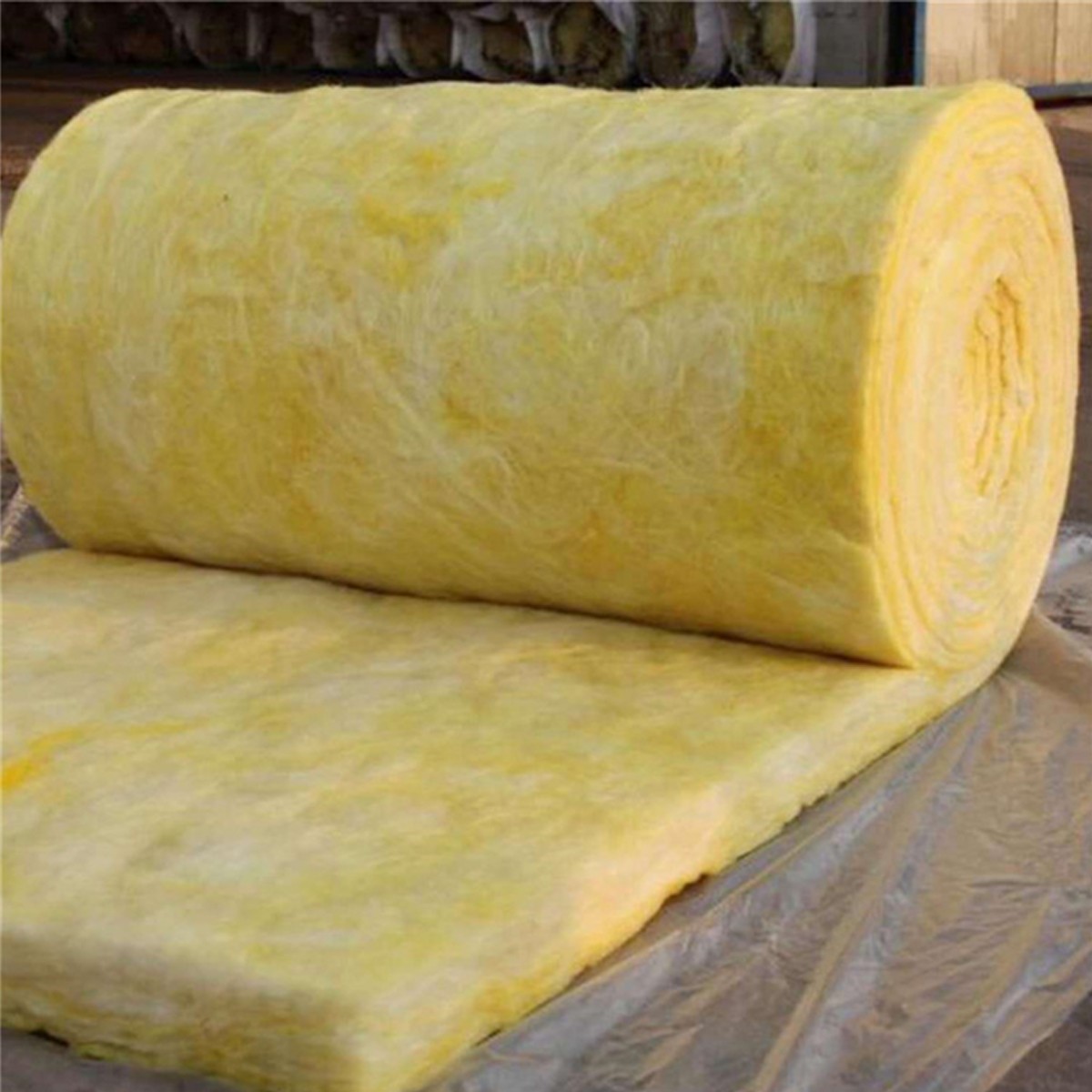
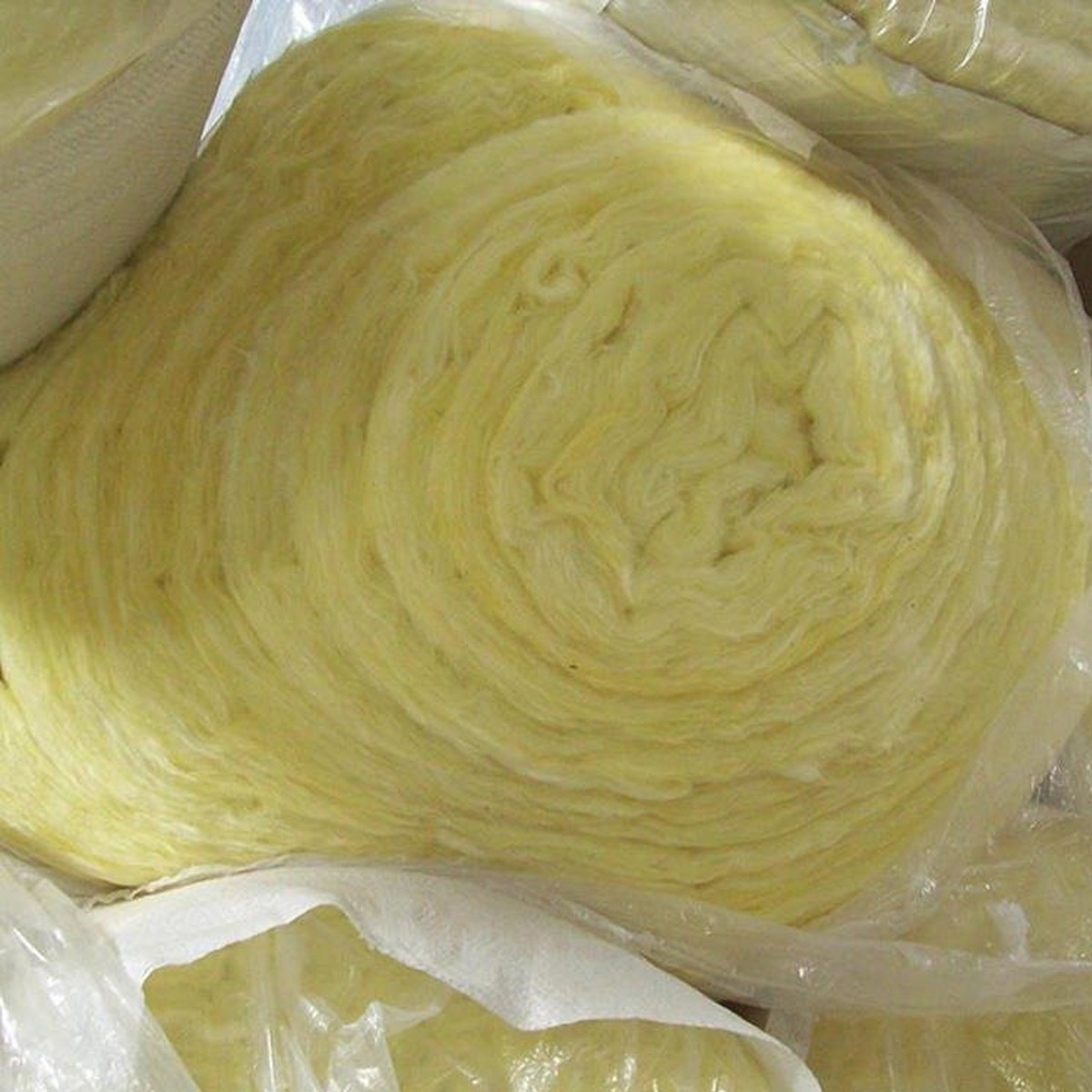
The appeal of wholesale glass wool blanket for a construction project is straightforward: large quantities of a standard-density insulation product from a single manufacturing batch or production run are cheaper per unit than small orders from multiple suppliers at mixed specifications. The cost advantage is real, but it comes with conditions. A wholesale glass wool blanket purchase that arrives with the wrong density, the wrong facing, or in rolls that don't fit the structural spacing is not cheaper — it is a problem that costs more to fix than the price premium for a correctly specified order. This article is written for procurement managers, general contractors, and project buyers who are buying wholesale glass wool blanket for industrial or commercial construction projects and want to make decisions that result in the right product on site at the right time.
Why Specification Must Come Before Price
The most common error in wholesale glass wool blanket procurement is treating the quotation as the starting point rather than the specification. If you send a request for quotation that says only "glass wool blanket, please quote," you will receive quotations that are not comparable — because each supplier will assume its own density, facing, width, and standard, and the lowest price may reflect a different product from the one your project actually requires.
Before requesting a single quotation, fix the following in writing:
Nominal density (kg/m³) — confirm against the project's U-value calculation or insulation schedule.
Thickness and roll width (mm) — determined by the structural spacing and the insulation schedule.
Facing type — plain, foil-faced, reinforced foil, kraft, or mesh-reinforced — determined by the vapor control and installation method.
Thermal conductivity declared value and the test standard it is declared to.
Fire classification required for the project's market and building type.
Packaging — compressed, palletized, container-loaded, or delivered as loose rolls.
Quantity and delivery window — with enough lead time for the manufacturer to schedule a production run rather than pull from stock.
A written specification turns the quotation into a real comparison between like products, and it protects you when the product arrives — because what was agreed in writing is what you check the delivery against.
Volume Pricing: How Wholesale Discounts Work in Glass Wool
Wholesale pricing for glass wool blanket operates on volume and run-length economics rather than simple quantity discounts. A manufacturer pricing a full-production-run order (one or more container loads of consistent specification) can offer better unit pricing than the same quantity ordered as three separate small shipments, because the production setup cost is amortized across a larger volume. The practical implication for procurement teams is that consolidating your glass wool specification into one or two product lines — rather than ordering four or five different densities, widths, and facings — usually delivers the best wholesale price.
Volume pricing thresholds vary by manufacturer and by the specific product type, but as a general guide: a full 20-foot container load (approximately 1,500–2,500 m² depending on thickness) is typically the minimum for meaningful wholesale pricing; a 40-foot container or multiple containers brings more significant discounts. For very large projects — distribution centers, multi-building industrial parks, or multi-phase residential developments — manufacturers may offer project-specific pricing for the full volume committed across the project duration.
Standards Compliance: What the Documents Actually Prove
A wholesale glass wool blanket order for a construction project must be supported by documentation that proves the product matches the specification in the project specification. The key documents are:
Product datasheet: declares density, thickness, thermal conductivity, fire classification, and facing type. Check every declared value against your specification before accepting the product.
Third-party test reports: thermal conductivity and fire classification should be confirmed by accredited external laboratories. The report should list the exact product tested (density, thickness, facing), the test method, and the laboratory accreditation.
Manufacturing standard declaration: for EU projects, a Declaration of Performance under EN 13162 and CE marking documentation. For North American projects, evidence of compliance with ASTM C553 or ASTM C665 as applicable.
Certificate of origin: required for customs clearance and, where applicable, for preferential trade agreement treatment.
Do not accept a datasheet alone as evidence of compliance. A datasheet is the manufacturer's own document; the third-party test report is the independent verification that the specification requires. If the documentation does not match your specification — different density, different facing, different fire classification — that is a reason to renegotiate or refuse the delivery before it leaves the port of loading.
Quality Verification at Scale: Sampling and Pre-Shipment Inspection
For wholesale glass wool blanket orders, quality verification at the point of manufacture is the only practical option. By the time the container arrives on site, correcting a non-conforming product is expensive and disruptive. The standard approach for large orders is:
Pre-production sample: before the main production run, request a sample roll of the exact specification. Weigh it, measure it, and confirm density against the declaration before authorizing mass production.
Pre-shipment inspection: an independent inspector visits the factory or warehouse before loading and verifies the following against the agreed specification: product identity, density and thickness, facing quality and adhesion, roll dimensions, packaging, and labeling. The inspector draws samples for any laboratory testing required.
Laboratory testing: samples drawn by the inspector are sent to an accredited laboratory for thermal conductivity verification. The cost of this testing is typically a small fraction of the order value and provides the independent confirmation that the product meets the specification.
Logistics Planning for Large Insulation Packages
Large wholesale glass wool blanket orders require logistics planning that begins before the production run, not after. The key decisions are:
Container type: a 40-foot high-cube container is the standard unit for glass wool blanket shipments. Confirm the loading plan with the manufacturer — roll compression and stacking arrangement determine how many square meters fit in a container.
Roll compression: most manufacturers compress rolls for container loading to maximize the quantity per container. Confirm the compression ratio and the time required for the roll to recover to its declared thickness after decompression — typically 15–30 minutes per roll.
Moisture protection: confirm the packaging specification for the shipping route. For routes through humid ports or tropical climates, upgraded moisture protection may be warranted to prevent condensation damage during unloading and storage.
Delivery program: for multi-phase projects or phased construction programs, coordinate the delivery schedule with the manufacturer's production planning. Providing a rolling forecast of delivery dates (even estimated) helps the manufacturer manage stock and production allocation.
Storage on site: glass wool blanket should be stored under cover, off the ground, and protected from moisture. Confirm storage requirements with the manufacturer, especially for projects in humid climates or long construction programs.
Building the Supplier Relationship for Project Supply
A successful wholesale glass wool blanket procurement relationship is not just a transaction — it is a supply agreement that should be documented before production begins. The key elements of a project supply agreement are:
The written specification (as described above) incorporated by reference.
Agreed lead time and delivery schedule, with milestones for each shipment.
Inspection and testing protocol: who arranges inspection, which tests are required, and how non-conforming product is handled.
Non-conformance procedure: the criteria for rejection, the remedy (replacement, credit, rework), and the timeline for resolution.
Price validity period: given raw material price movements, agree on the period for which the quoted price is firm and the mechanism for price adjustment beyond that period.
Communication protocol: a named contact on each side, agreed response time for technical and commercial queries, and a process for managing specification changes.
Red Flags in Wholesale Glass Wool Procurement
Quotations that arrive without a request — or that differ significantly from the specification you sent without explanation.
Price offers for product specifications that are vague or unspecified.
Test reports that are unsigned, undated, or from laboratories that cannot be identified.
Refusal to provide pre-production samples or to accept third-party inspection.
Lead times quoted without reference to production scheduling — "in stock" is only credible if the product in stock matches your specification exactly.
FAQ
Q1: What is the minimum order quantity for wholesale glass wool blanket pricing?
A: A full 20-foot container load is typically the practical minimum for meaningful wholesale pricing. Full-container orders allow manufacturers to offer production-run pricing rather than stock-pick pricing. Consolidating your specification into fewer product lines (rather than multiple densities and widths) usually improves the unit price significantly.
Q2: How do I verify that the wholesale product matches my project specification?
A: Request a pre-production sample of the exact specification and verify density, thickness, and facing against the declaration. Arrange independent pre-shipment inspection and, where required, laboratory testing of thermal conductivity and fire classification against accredited standards.
Q3: Which standards documentation should a wholesale glass wool blanket order include?
A: At minimum: a product datasheet matching your specification, third-party test reports for thermal conductivity and fire classification from an accredited laboratory, and a Declaration of Performance or equivalent compliance document for your destination market (CE marking for EU, ASTM compliance for North America).
Q4: How should I plan logistics for a large wholesale insulation order?
A: Confirm the container loading plan and compression ratio with the manufacturer before production, arrange appropriate moisture protection for the shipping route, coordinate delivery scheduling with the construction program, and prepare covered on-site storage. Logistics planning should begin before the production run, not after.
Q5: Can I source different glass wool specifications from one wholesale supplier?
A: Yes, most manufacturers can produce multiple specifications in a single production run or in consecutive runs. However, consolidating into fewer specifications typically delivers better unit pricing. If multiple specifications are required, provide the full list with quantities and delivery timing in the initial request to allow the manufacturer to optimize production scheduling.
Conclusion
Buying wholesale glass wool blanket for construction projects delivers its best value when the procurement process starts with a fixed written specification, selects suppliers on the basis of documented compliance rather than lowest price alone, verifies quality at the point of manufacture through sampling and pre-shipment inspection, and structures the supply relationship with clear terms for non-conformance and delivery scheduling. These steps are not bureaucratic overhead — they are the process that converts a volume purchase into a reliable supply of product that performs as specified on site.
References
1. EN 13162:2012+A1:2015, "Thermal Insulation Products for Buildings — Factory Made Mineral Wool (MW) Products — Specification," European Committee for Standardization, Brussels.
2. ASTM C553-13, "Standard Specification for Mineral Fiber Blanket Thermal Insulation for Commercial and Industrial Applications," ASTM International, West Conshohocken, PA.
3. ASTM C665-17, "Standard Specification for Mineral-Fiber Blanket Thermal Insulation for Light Frame Construction and Manufactured Housing," ASTM International, West Conshohocken, PA.
4. GB/T 13350-2017, "Glass Wool and Its Products for Thermal Insulation," Standardization Administration of China, Beijing.
5. International Chamber of Commerce, "Incoterms 2020: ICC Rules for the Use of Domestic and International Trade Terms," ICC Publishing, Paris, 2019.