



Rock wool fire barrier belt systems are engineered fire protection solutions designed to maintain fire compartment integrity where pipes, ducts, cables, and structural elements penetrate fire-rated walls and floors. When a fire breaks out, these penetrations represent the weakest points in a building's fire compartmentation—the paths through which fire and smoke spread from one compartment to another. Rock wool fire barrier belt products, combined with appropriate sealants, collars, and intumescent materials, create tested and certified fire barriers that restore the fire resistance of the penetrated construction.
Understanding Fire Barrier Belt Function
The fire resistance mechanism of a rock wool fire barrier belt depends on the specific system type. Passive fire protection using rock wool mineral wool packing provides thermal insulation that slows heat transfer through the penetration, preventing the unexposed side from reaching ignition temperature. Intumescent collars and wraps expand when exposed to heat, creating an insulating char barrier that seals around melting or burning pipes. Endothermic sealants absorb heat energy during dehydration, limiting temperature rise on the unexposed side. Fire-rated boards and pillows provide removable fire barriers for service penetrations requiring periodic access.
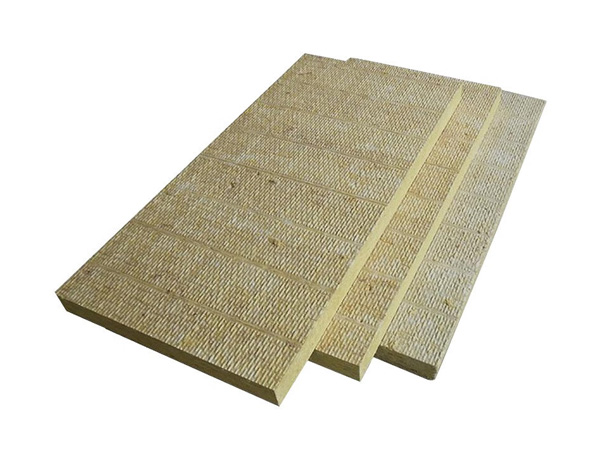
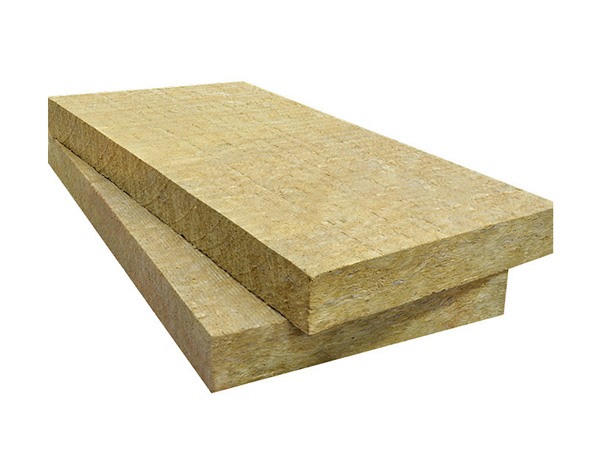
Rock Wool Fire Barrier Belt Product Types
Rock wool fire barrier belt products are available in configurations designed for different penetration types and fire resistance requirements:
Mineral wool pipe wraps: Rock wool strip wraps pre-coated with intumescent compound, installed around combustible plastic pipes. When exposed to fire heat, the intumescent coating expands to seal the gap created by the melting pipe, maintaining fire compartment integrity.
Batts and slabs: High-density rock wool boards cut to fill large rectangular penetrations where multiple services pass through fire-rated walls. Installed with fire-rated sealant at perimeters and around individual services.
Fire-rated pillows: Removable rock wool pillow inserts for cable tray and mixed-service penetrations that require periodic access for cable installation or modification. Pillows compress against services to fill the opening and expand to seal gaps when replaced.
Annular space sealants: Fire-rated silicone or intumescent sealants used to seal the annular space between services and the wall or floor opening, with rock wool backer rods providing support and insulation behind the sealant layer.
Fire Resistance Classification and Testing
Rock wool fire barrier belt systems must be tested and classified to demonstrate fire resistance performance under standardized fire exposure conditions. EN 1366-3 (Europe) classifies systems from E I 15 to E I 240 based on integrity and insulation performance over 15 to 240 minutes. ASTM E814 (North America) classifies systems as F Rating (fire exposure) and T Rating (temperature rise on unexposed surface). BS 476 Parts 20 and 22 (UK) provides integrity and insulation classifications for specific durations.
Only rock wool fire barrier belt systems with valid test evidence from accredited laboratories should be specified. Generic claims of fire resistance without specific test documentation are not acceptable for compliance verification. The tested system configuration—specific products, dimensions, and installation conditions—must match the intended application.
Specification for Industrial Applications
Industrial facilities present unique challenges for rock wool fire barrier belt specification due to the range of services, aggressive environments, and high fire loads typically present. Process piping penetrations in hydrocarbon processing, chemical, and oil and gas facilities should specify rock wool fire barrier belt systems tested for the specific pipe materials used—plastic pipe wraps are essential where combustible process pipes penetrate fire-rated boundaries. Cable penetrations require rock wool batt or pillow systems with sufficient fire-rated sealant to seal around individual cables. Mixed-service penetrations where multiple service types pass through a single opening require rock wool composite barrier systems tested for mixed-service configurations.
Installation Best Practices
Correct installation is critical for rock wool fire barrier belt performance. Substrate preparation: ensure the wall or floor construction surrounding the penetration matches the tested configuration. Clean surfaces: all surfaces to which fire barrier products are applied must be clean, dry, and free from dust, oil, grease, and loose material. Correct product selection: use only the specific products included in the tested system configuration—substituting equivalent products not included in the test evidence invalidates the fire rating. Anchorage and support: rock wool fire barrier belt systems must not rely solely on adhesion—provide mechanical anchorage where specified. Quality verification: each installed rock wool fire barrier belt penetration seal should be inspected and documented before concealment.
Maintenance and Inspection
Rock wool fire barrier belt systems should be included in the building's planned maintenance inspection program. Annual inspection should verify that no damage has occurred through building use, that service modifications have not compromised barrier integrity, and that inspection access remains possible for future verification. Service modifications requiring penetration seal disturbance must be completed using approved products and methods by competent installers.
Conclusion
Rock wool fire barrier belt systems provide essential fire compartmentation integrity for industrial facilities where multiple service penetrations create potential fire and smoke spread paths. Correct specification—matching tested system configurations to actual penetration types and fire resistance requirements—combined with quality installation and ongoing maintenance inspection, ensures that fire barrier systems perform their life safety function throughout the facility's operational life.
References
1. EN 1366-3:2009, "Fire Resistance Tests for Service Installations — Part 3: Penetration Seals," European Committee for Standardization, Brussels, 2009.
2. EN 13501-2:2016, "Fire Classification of Construction Products and Building Elements — Part 2: Classification Using Data from Fire Resistance Tests," European Committee for Standardization, Brussels, 2016.
3. ASTM E814-13a, "Standard Test Method for Fire Tests of Penetration Firestop Systems," ASTM International, West Conshohocken, PA, 2013.
4. NFPA 80, "Standard for Fire Doors and Other Opening Protectives," National Fire Protection Association, Quincy, MA, 2022.
5. McGuire, J.H. and St. John, C. (2020). "Fire barrier performance at service penetrations: Test data and predictive modeling." Fire Technology, 56(3), 1041-1068.