



Glass wool blanket complete guide for insulation use
Glass wool blanket complete guide for insulation use begins with understanding why this material has become a standard solution across construction and industrial insulation systems.
What is a glass wool blanket
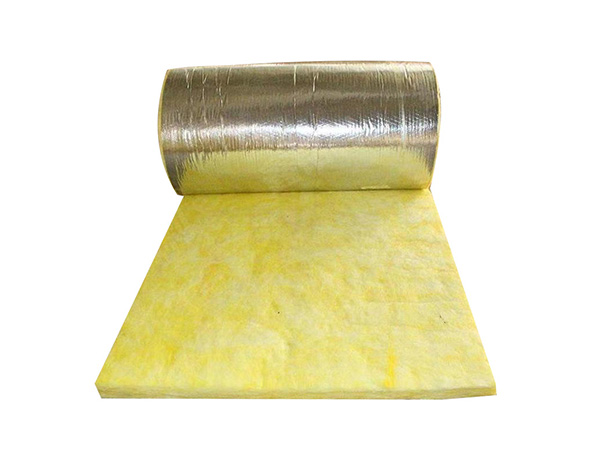
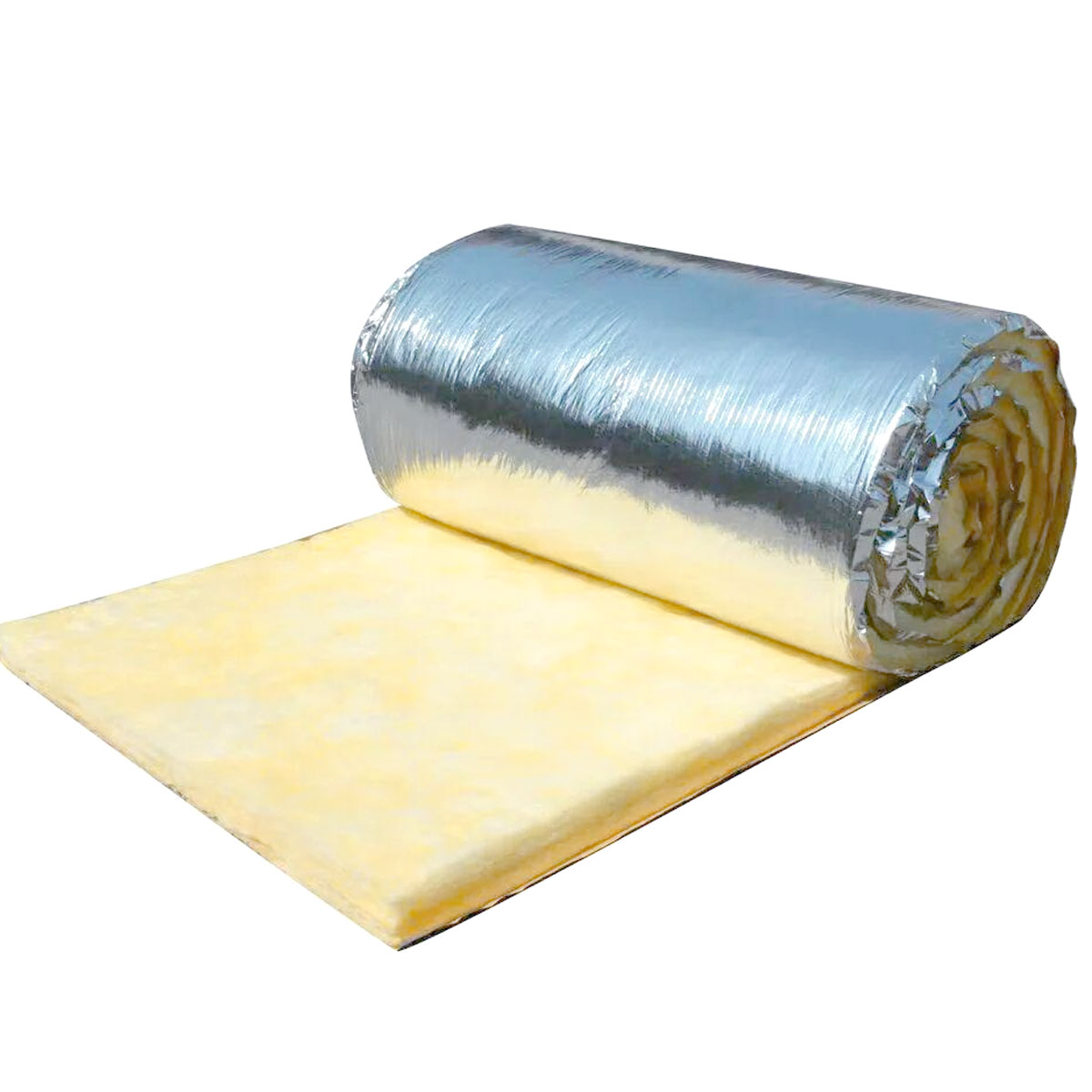
A glass wool blanket is a flexible insulation material made by spinning molten glass into fine fibers and bonding them into a soft, wool-like structure. This fibrous network traps air within micro pockets, significantly reducing heat transfer and improving insulation efficiency.
Unlike rigid boards, the blanket form provides adaptability, allowing it to fit irregular surfaces such as ducts, roofs, and industrial pipelines.
How glass wool blanket works for insulation
The effectiveness of glass wool blanket insulation comes from its ability to reduce heat transfer through conduction, convection, and radiation. The structure of interwoven fibers creates resistance to airflow, minimizing thermal movement.
Research on fibrous insulation confirms that thermal conductivity remains low across a wide temperature range, making it suitable for both building and industrial environments.
Thermal performance and energy efficiency
Thermal insulation performance is one of the most critical selection criteria. Glass wool blankets typically exhibit low thermal conductivity due to trapped air pockets, which act as insulating barriers.
This property contributes directly to energy savings in HVAC systems by maintaining stable indoor temperatures and reducing heating and cooling loads.
Acoustic insulation capability
In addition to thermal insulation, glass wool blankets provide excellent sound absorption. The porous structure allows sound waves to enter and dissipate within the material, converting acoustic energy into heat.
This makes them widely used in commercial buildings, mechanical rooms, and industrial facilities where noise reduction is essential.
Fire resistance and safety characteristics
Glass wool is classified as an inorganic insulation material, meaning it is naturally non-combustible. Compared to organic insulation materials such as foam, it offers superior fire safety performance.
This characteristic makes it particularly suitable for applications where fire resistance is a regulatory requirement, such as HVAC ducts and smoke exhaust systems.
Installation flexibility and efficiency
One of the key advantages of glass wool blanket is its ease of installation. The material can be cut, rolled, and fitted into complex geometries without requiring specialized tools.
This reduces installation time and labor costs, especially in large-scale industrial projects where efficiency is critical.
Moisture behavior and limitations
While glass wool offers strong insulation performance, moisture exposure can affect its thermal efficiency. Studies indicate that increased moisture content may raise thermal conductivity and reduce effectiveness.
Therefore, proper vapor barriers and protective facings are recommended in humid environments.
Typical applications across industries
Glass wool blankets are widely used in:
Building insulation for walls and roofs
HVAC duct insulation
Industrial equipment and pipelines
Acoustic insulation systems
These applications highlight the material’s versatility and reliability in different environments.
How to choose the right glass wool blanket
Selecting the correct specification involves evaluating density, thickness, and application temperature.
Research on insulation thickness optimization shows that proper thickness selection significantly impacts energy efficiency and performance outcomes.
Conclusion
Glass wool blanket complete guide for insulation use demonstrates that this material remains one of the most effective and versatile insulation solutions available today, combining thermal performance, acoustic control, and fire safety in a single product.
References
Smith DR et al. Thermal conductivity of glass fibre insulation
Jeon CK et al. Insulation characteristics of glass wool
Lim ZY et al. Optimum thickness of glass wool insulation
ISOVER Technical Insulation documentation