



Sustainability has become a central consideration in building material specification, driven by regulatory requirements, corporate ESG commitments, and growing awareness of construction's environmental footprint. Glass wool insulation stands out among thermal insulation materials for its favorable environmental profile, high recycled content, energy-efficient manufacturing process, and end-of-life recyclability. This article examines why glass wool is increasingly specified as an eco-friendly insulation solution in industrial and commercial building projects.
Manufacturing Process and Energy Efficiency
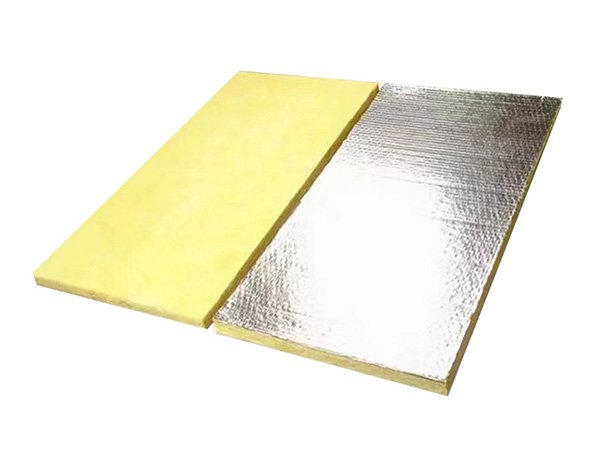
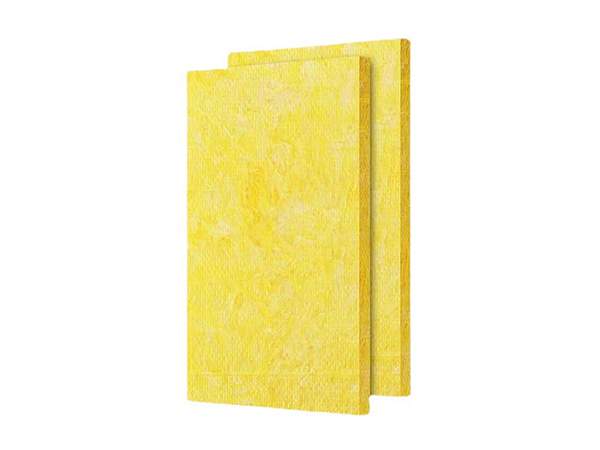
Glass wool insulation is manufactured by melting a mixture of silica sand, soda ash, recycled glass (cullet), and limestone at temperatures between 1,300 and 1,500 degrees Celsius. The molten glass is then fiberized using centrifugal force or high-velocity steam, with the resulting fibers bonded using small quantities of adhesive binder and formed into rolls, batts, or rigid boards.
The glass wool manufacturing process consumes significantly less energy compared to rock wool production—typically 4.5 to 6.0 megajoules per kilogram versus 7 to 9 MJ/kg for slag-based mineral wool. The use of recycled glass as a primary raw material input reduces melting temperatures and further decreases energy consumption, as recycled cullet melts at approximately 200 degrees Celsius lower than virgin materials.
Recycled Content and Circular Economy
Modern glass wool insulation products contain between 30% and 80% recycled glass content by weight, depending on product grade and manufacturer. This recycled content primarily derives from post-consumer glass sources including recovered building insulation at end-of-life, post-industrial glass waste from manufacturing operations, and sourced cullet from municipal recycling programs.
The incorporation of recycled glass diverts significant quantities of material from landfill disposal. A typical mid-sized glass wool manufacturing facility processing 50,000 tonnes of recycled glass annually prevents approximately 50,000 tonnes of glass from entering landfill while simultaneously reducing virgin raw material extraction requirements. This circular economy contribution aligns with extended producer responsibility principles and waste reduction mandates increasingly enforced by environmental regulations.
Embodied Carbon and Lifecycle Performance
Embodied carbon analysis of glass wool insulation reveals a favorable profile compared to competing insulation materials. The Global Warming Potential (GWP) of quality glass wool products, including manufacturing, transport, and installation, typically ranges from 1.5 to 3.0 kg CO2 equivalent per kg of installed product. By contrast, expanded polystyrene (EPS) exhibits GWP values of 3.5 to 5.0 kg CO2-eq/kg, while extruded polystyrene (XPS) ranges from 5.0 to 8.0 kg CO2-eq/kg.
The operational carbon savings delivered by glass wool insulation over a building's service life vastly outweigh the embodied carbon of the material itself. A building envelope retrofitted with glass wool insulation typically avoids 10 to 50 times more operational carbon emissions than the embodied carbon of the insulation installed, delivering a strongly positive carbon balance within the first 1 to 3 years of operation.
Indoor Air Quality and Health Safety
Eco-friendly insulation extends beyond environmental metrics to encompass occupant health and safety. Glass wool insulation products from reputable manufacturers carry independent third-party certification for VOC emissions, including formaldehyde and other organic compound release. European classification E1 (low emission) and Greenguard Gold certification provide assurance of safe indoor air quality performance.
Modern bio-based binder technologies and formaldehyde-free formulations eliminate formaldehyde emissions entirely, supporting the trend toward healthier indoor environments in schools, healthcare facilities, and residential construction. This alignment with wellness-focused building standards positions glass wool as a holistic sustainability choice rather than merely an environmental one.
Acoustic Performance and Comfort
Glass wool's fibrous structure provides excellent acoustic absorption in addition to thermal insulation, reducing the need for separate acoustic treatment systems and associated material consumption. Noise reduction coefficients of 0.85 to 1.05 make glass wool suitable for wall insulation, ceiling systems, and building service risers where acoustic privacy and comfort are design priorities.
The combined thermal-acoustic performance of glass wool allows thinner insulation specifications in some applications compared to products requiring separate acoustic treatment, reducing total material volume and associated environmental impact. This multifunctionality represents an efficient use of resources aligned with sustainable design principles.
Durability and Service Life
Glass wool insulation maintains its thermal performance and structural integrity for the building's operational life when correctly specified and installed. The inorganic glass fiber composition resists rot, mold growth, pest infestation, and chemical degradation that can compromise organic insulation materials. Estimated service lives of 50 years or more are documented for quality glass wool installations, eliminating the need for replacement and associated material consumption during a typical building's operational lifecycle.
Conclusion
Glass wool insulation has established itself as one of the most environmentally responsible choices available for thermal insulation in building and industrial applications. Its high recycled content, energy-efficient manufacturing, long service life, and end-of-life recyclability collectively deliver a favorable sustainability profile that aligns with green building certification requirements and corporate ESG commitments. When combined with the material's proven thermal efficiency, acoustic performance, and fire safety characteristics, glass wool insulation represents a responsible choice that does not require trade-offs in performance or cost-effectiveness.
References
1. European Insulation Manufacturers Association (EURIMA). "Environmental Product Declaration for Glass Wool Insulation," Brussels, 2021.
2. BRE Global. "Green Guide to Specification," Watford, UK, 2020.
3. Schiavoni, S., et al. (2016). "Insulation materials for the building sector: A review and comparative analysis." Renewable and Sustainable Energy Reviews, 62, 988-1010.
4. U.S. Environmental Protection Agency. "Energy Star Portfolio Manager Technical Reference: Thermal Envelope," Washington, DC, 2019.
5. World Green Building Council. "Bringing Embodied Carbon Ahead," London, 2022.